
New year is a great time to refresh on some goals and maybe you have a few that are conflicting with your love of wine. I am here to provide you with some tips to keep you enjoying wine without sacrificing your goals.
Keep it low: low carb., low calorie and low alcohol
Low Carbohydrates
Most wines have little to no carbohydrates. On a low carb. or keto diet? Then revel in that great news. You want to stay away from wines with residual sugar (RS) therefore dry wines are your friend. Bad news, you’re not going to see RS listed on the label.
Shopping tip: The best tip is to stay away from wines with higher alcohol (like Shiraz, Pinotage, Grenache) they will naturally be high in sugar. Avoid most wine coolers, Dessert wines, sweet wines, late harvest wines, and ice wines are all higher in sugar content. Go for dry styled wines such as dry Riesling, Nebbiolo, Chianti and Bordeaux.
Not sure the amount of sugar in a dry wine etc. Wines range from 0 to 220 grams per liter sugar (g/L), depending on the style.
Bone-Dry <1 sugar calories per glass
Dry 0-6 sugar calories per glass
Off-Dry 6–21 sugar calories per glass
Sweet 21–72 sugar calories per glass
Very Sweet 72–130 sugar calories per glass
Extra tip if you visit the LCBO website (Ontario shoppers) you will find the grams per liter sugar content for each wine.
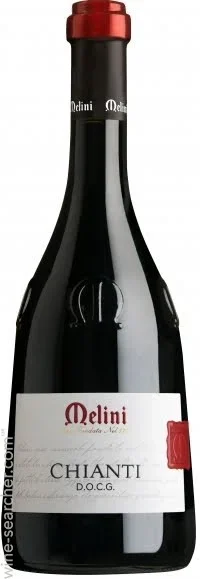
My Low Carb. Pick: Melini Chianti DOCG $11.95
2. Low Calories
Here are some popular varietal calories. On average, a 5-ounce glass of dry red wine contains about 120 calories.
Merlot - 118 calories
Cabernet Sauvignon - 119 calories
Burgundy/Pinot Noir - 122 calories
Bordeaux - 118 calories
White wine typically contains around 116 calories
Chardonnay - 119
Chablis - 108
Sauvignon Blanc - 116
My Low calorie pick- 2017 Forrest Estate “The Doctors’” Sauvignon Blanc
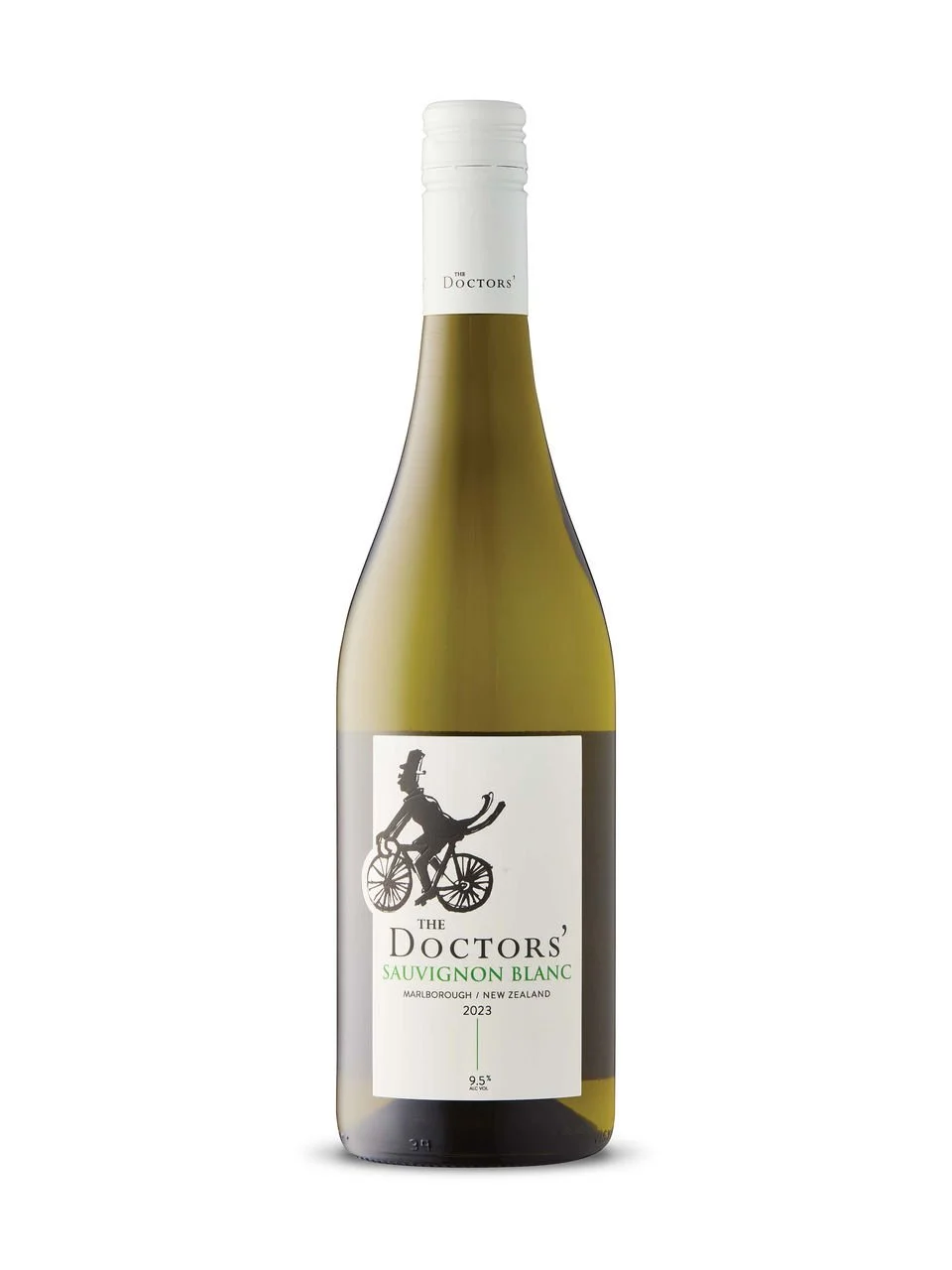
Alc. 9.5 per cent Sugar: 8 g/l
Calories per 150ml (one glass) serving: 85
This bottle is made by doctors-turned-winemakers who’ve pioneered an all-natural means of making low-alcohol wines. The method involves selectively-timed leaf removal, which slows the vine’s ability to make sugar without compromising the broader ripening process.
3. Low Alcohol
If drinking less is a New Year’s goal; I also have some tips for that. Here are some tried tips that I know will work for even the biggest wine lover.
Drink from small wine glasses. You will be likely to pour and consume less wine than you would from a large glass.
Limit yourself to one glass of wine with a meal. Alternate a glass of wine with a glass of water to stay hydrated and lower your intake.
Try Wines with no alcohol; all the complexity non of the alcohol. I particularly like Acid League wine proxies
There is also the Low alcohol option. Check out this full list of low alcohol wines available at the LCBO
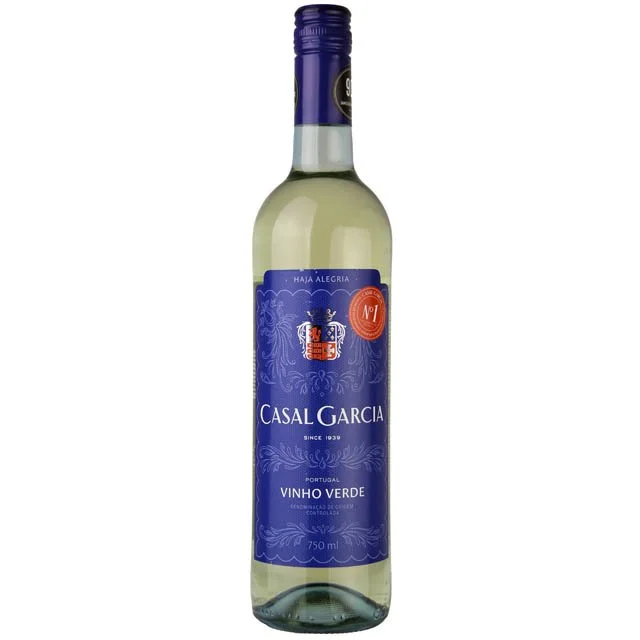
My Low alcohol pick -Aveleda Vinho Verde, 750 ml, 9.5% ABV
4. Budget friendly high value
We know not to use price to evaluate wines but instead use the following; distinctiveness, connectedness, complexity, balance and personal taste here is a quick 2 minute video explanation. Research also shows that when details such as price are hidden from experts they can’t distinguish between the expensive and cheaper wine and often give them the same score. Now, value wines are not always cheap and cheap wines are not always good value. But a bottle of wine under $10 that is great to taste; well that is best of both worlds.
5. Organic wines & sustainable practices
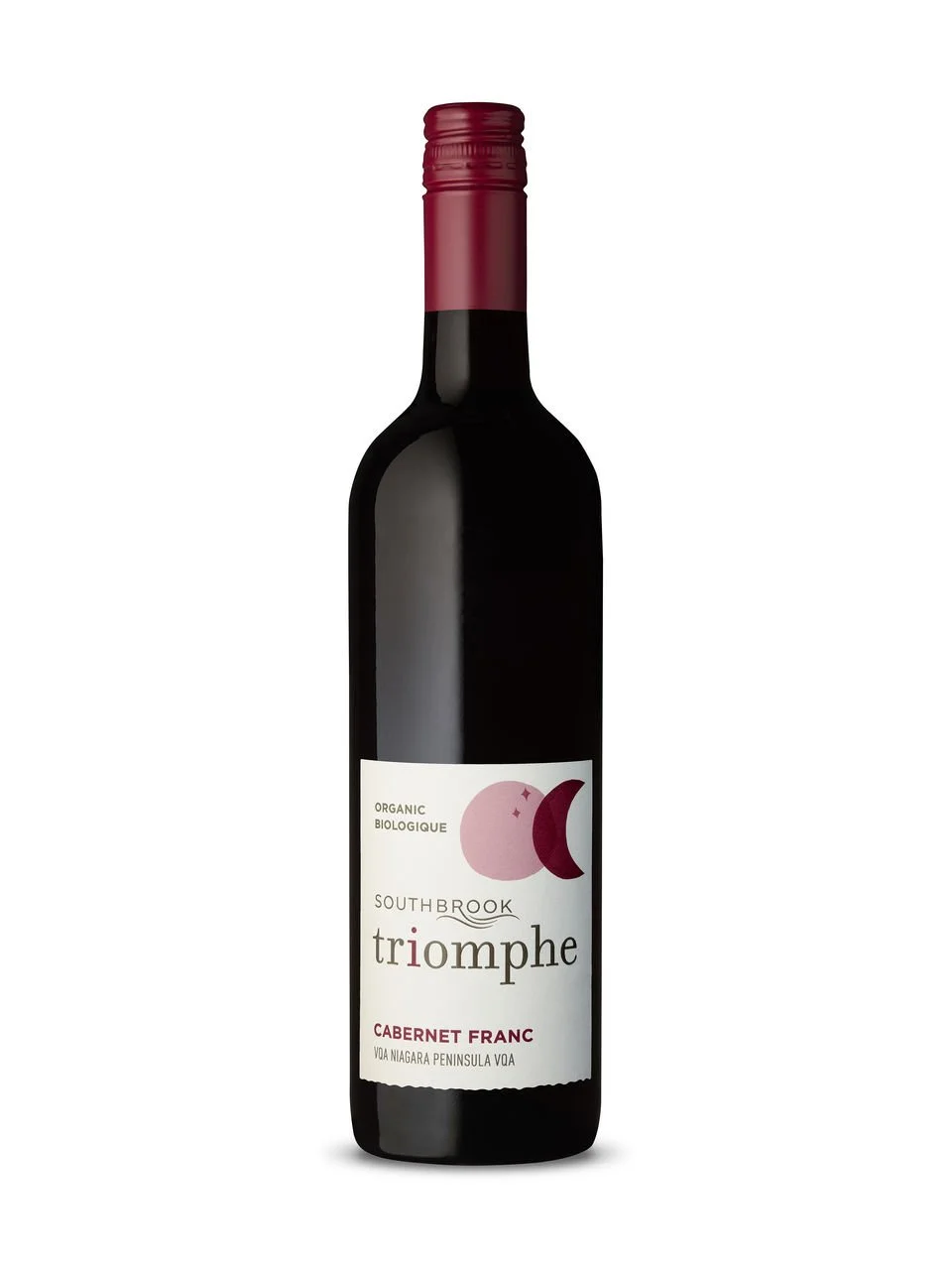
Organic wines' rise in popularity is tied to the awareness around food production and farming practices. Wine is just as much of an agricultural product like any of your favourite food and better practices will result in better wine. Most Organic wines are identified by a green leaf symbol on the label and the label will also say Organic.