GET STARTED THEN GREEK OUT!
There is nothing quite like a memorable dining experience. The laughter, friendship, and love underpin an excellent meal paired with a delectable wine. It is truly the epitome of why learning about wine can be so rewarding! Being able to select fantastic wines for you and your guests based on both the menu and their taste is an admirable talent. So, how do you get there?
Pairing food and wine should be fun, not a source of stress. As food culture expands into the mainstream, dishes have become increasingly innovative and diverse. Properly pairing food and wine can be an excellent way to intensify meals and show your personal flair as a host.
A few ground rules can help bring your pairing experience from frazzled foodie to marvellous matchmaker. When pairing wine with food, get started with the big picture and then geek out on the details.
Get started
When trying to pair food and wine, and before getting into the nitty gritty of what elements make up the food or the wine, a quick scan of the menu can give you enough insight to pair right. I call this, ‘using the big picture’. Here are some overarching rules that can get you successfully pairing today.
Match the Weight
In food pairing, like any good relationship, it is wise to seek balance. Light food pairs well with light-bodied wine, while heavy meals pair best with full-bodied wines. If the pairing isn’t balanced the heavier of the two will overpower the lighter. Body or weight describes the feel of the food or wine in your mouth. Wine is described as being light, medium, or full-bodied, while a meal can be described as light or rich.
Find the wine
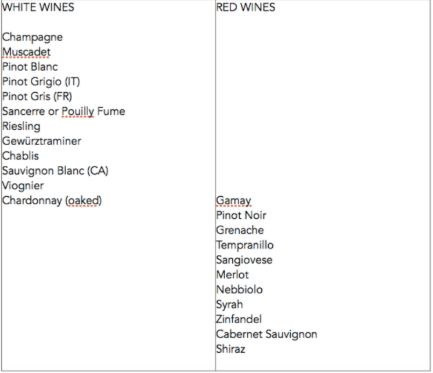
Use this chart guide for light to full bodied wines. Starting with light bodied wines, medium to full bodied.
Explore the menu
Light weight: Light seafood dishes pairs with Pinot Grigio
Medium weight: Mushrooms pairs well with pinot Noir. Extra bonus Pinot Noir goes well with earthy flavours in mushrooms and truffles.
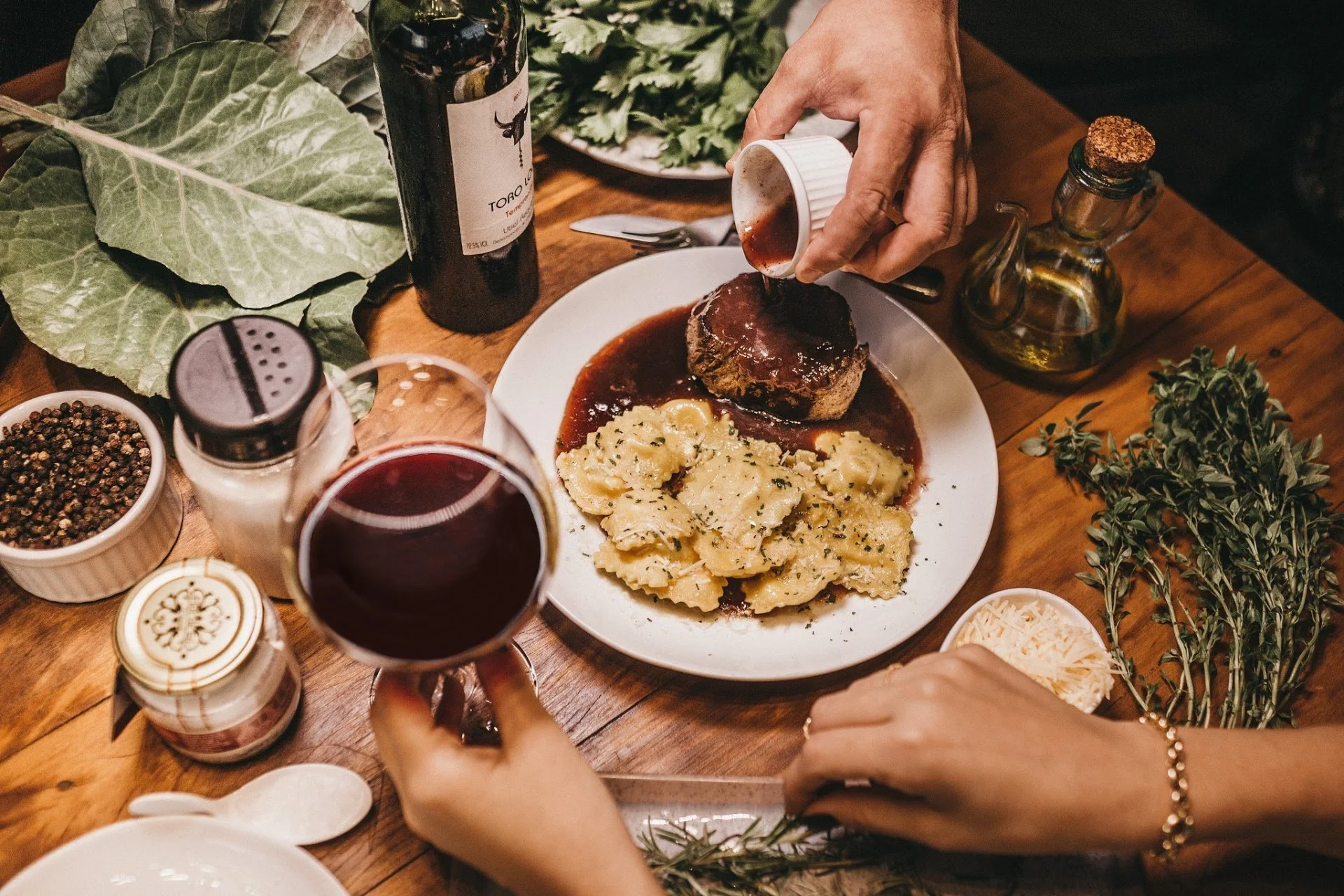
Full and Rich: Cabernet Sauvignon is fabulous with juicy red meat!
2. Notice Acidity
You can adjust the acidity in your food and wine selections to enhance your meals. Acidity in food can increase the perception of body, sweetness, and fruitiness in the wine that accompanies it. It can also decrease the perception of acidity in the wine itself. By pairing an acidic dish, like a tomato based recipe with a highly acidic wine, the food will bring the wine into balance and enhance its fruitiness. If a wine with a low level of acidity is paired with a tart meal, the high acidity levels in the food can leave a wine tasting flat.
Find the wine
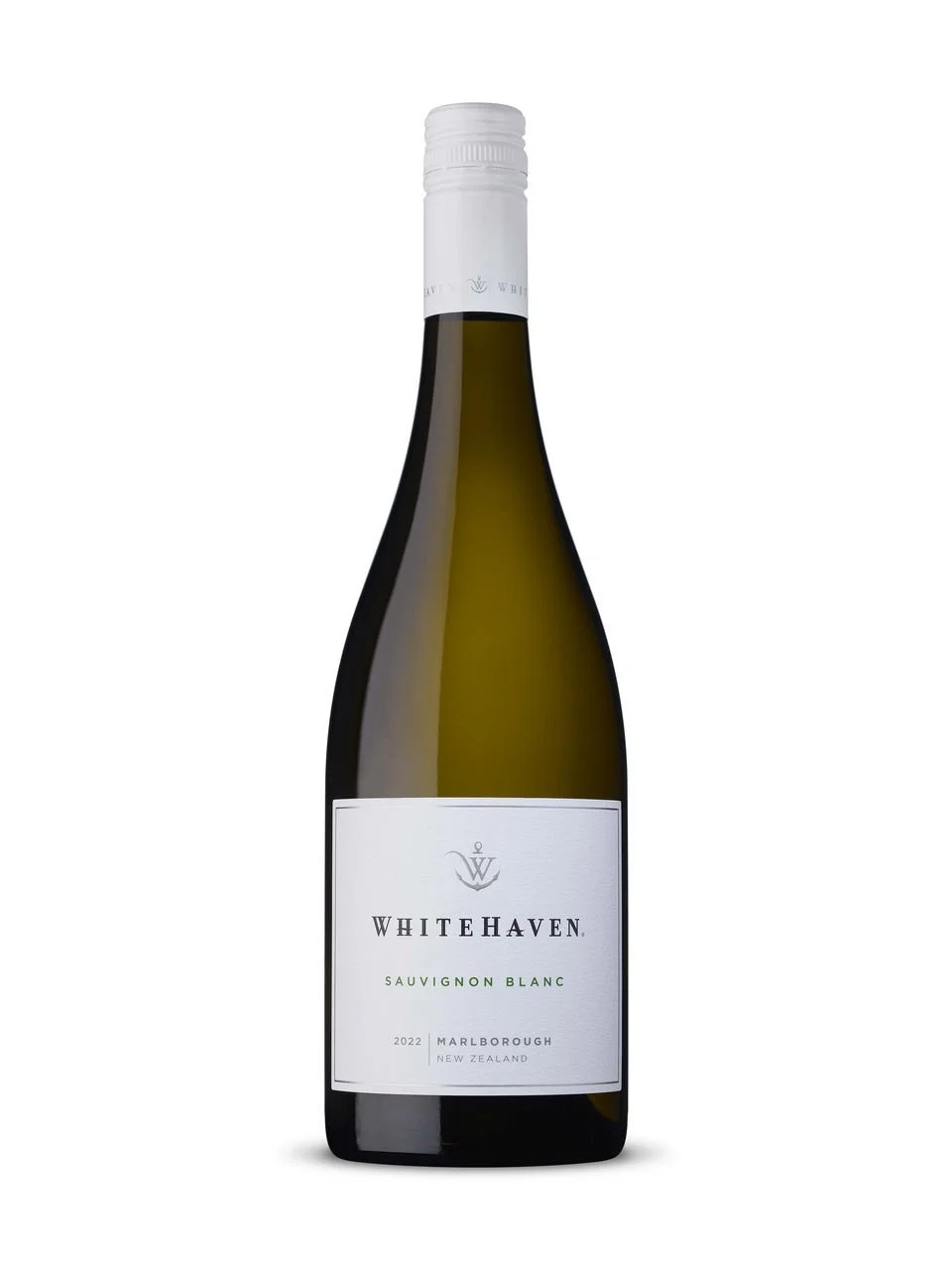
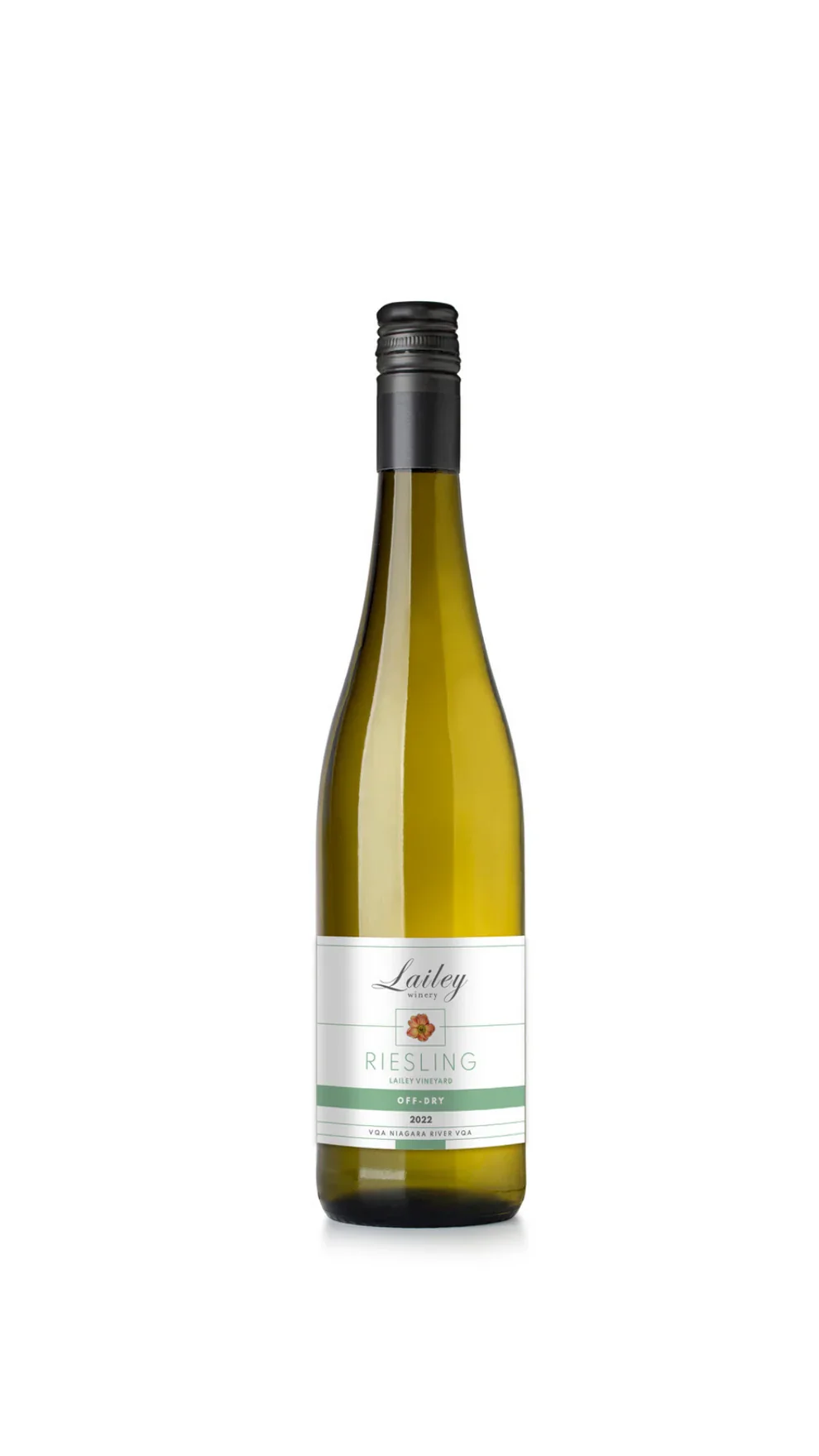
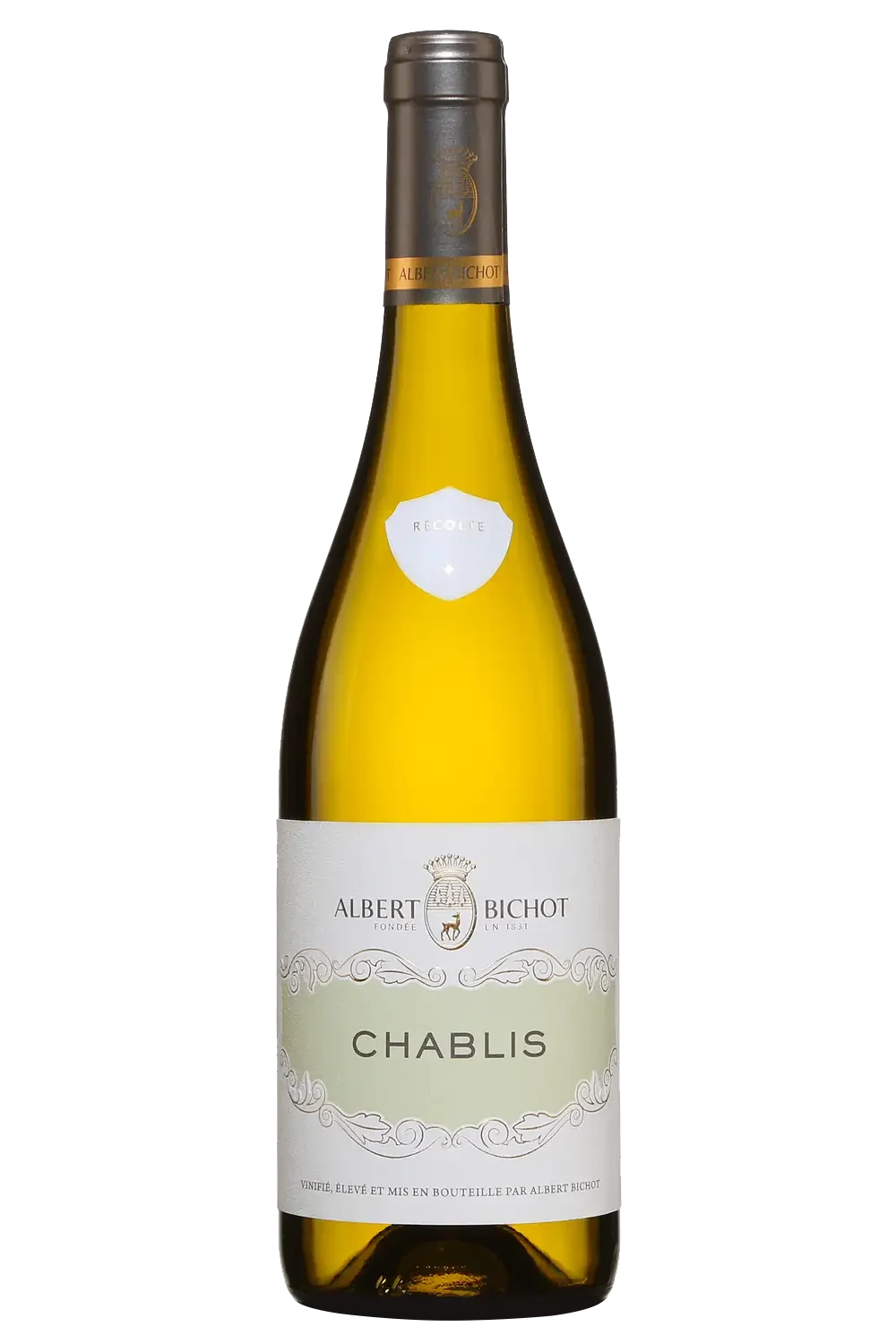
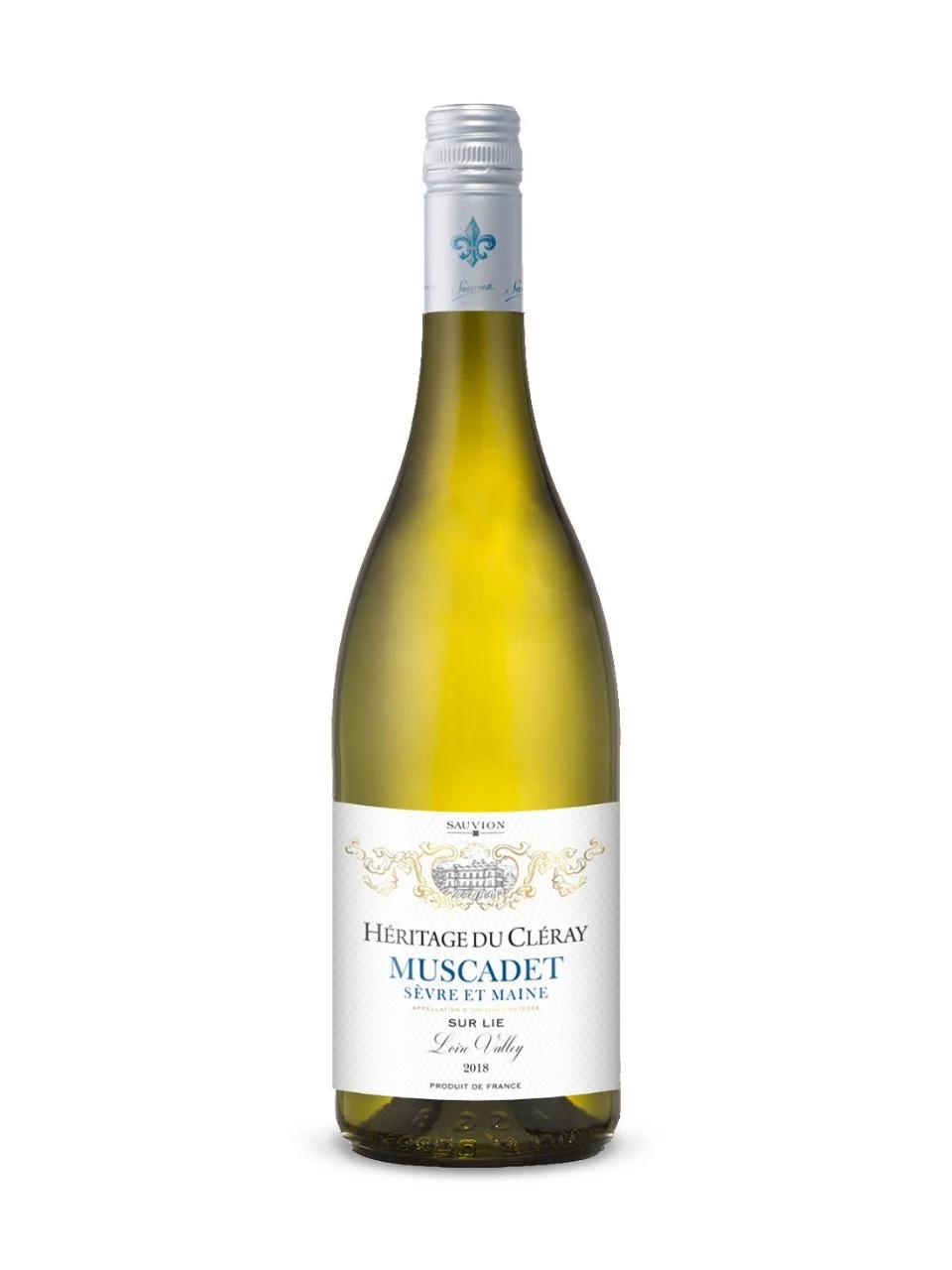
High Acidity wines you will find on most wine list: Sauvignon Blanc, Riesling, Chablis and Muscadet
Explore the menu
Scallops with grapefruit-onion salad paired with Sauvignon Blanc
3. It’s all in the Texture
Food has many different textures: think of the crispiness of good fries, mushy mashed potatoes, or a buttery filet mignon ...I could go on forever....Wine also has texture; it can be silk, smooth, crisp, or rough. When pairing wine and food you want the textures to match.
Find the wine
Crisp wines: Sauvignon Blanc, Pinot Grigio, Albariño, Torrontes
Buttery wines: Oaked Chardonnay and Oaked Viognier
Silky: Albariño, Grüner Veltliner, Pinot Noir, Merlot
Structured: Cabernet Sauvignon, Shiraz
Explore the menu
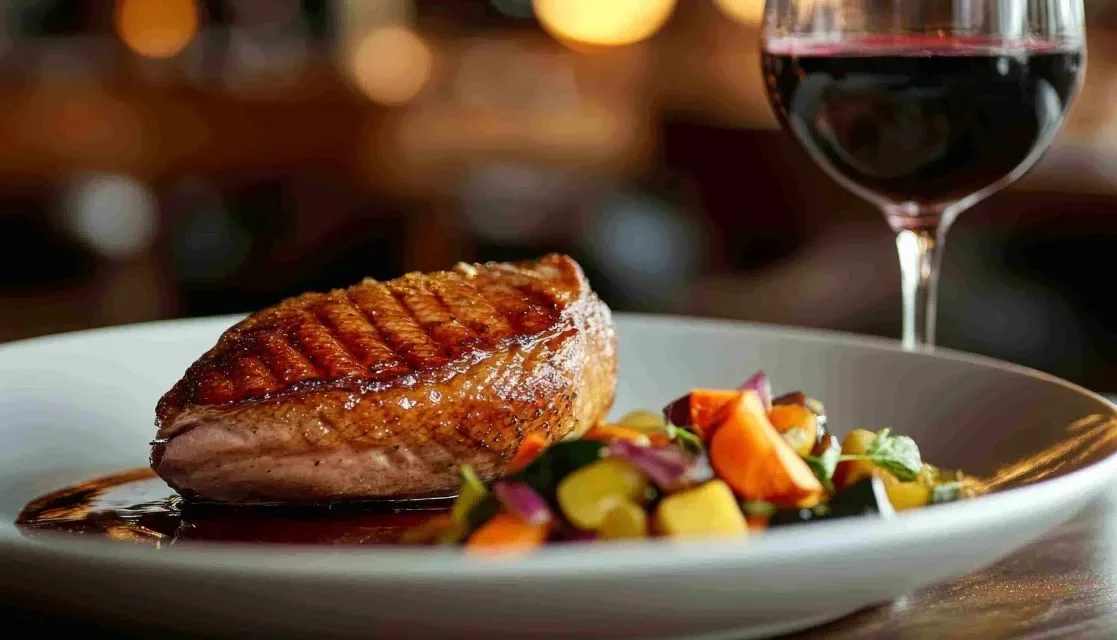
Duck or lamb paired with silky Pinot Noir or a smooth glass of Merlot
4. Heat is still good
Hot or spicy food can increase the perception of bitterness, acidity, and alcohol burn in wine, along with the elements of heat in spicy food. Eats with heat are best paired with white wines or low-tannin reds, both with low alcohol content. Fruity, aromatic and off-dry whites are some of the best options to consider. These pairings will reduce any bitterness and alcohol burn.
Find the wine
Eg of wines for hot & spicy dishes: Riesling (off-dry and medium sweet styles from Germany), Albariño, Vouvray, Viognier, Sparkling wines, Beaujolais (Gamay)
Explore the menu
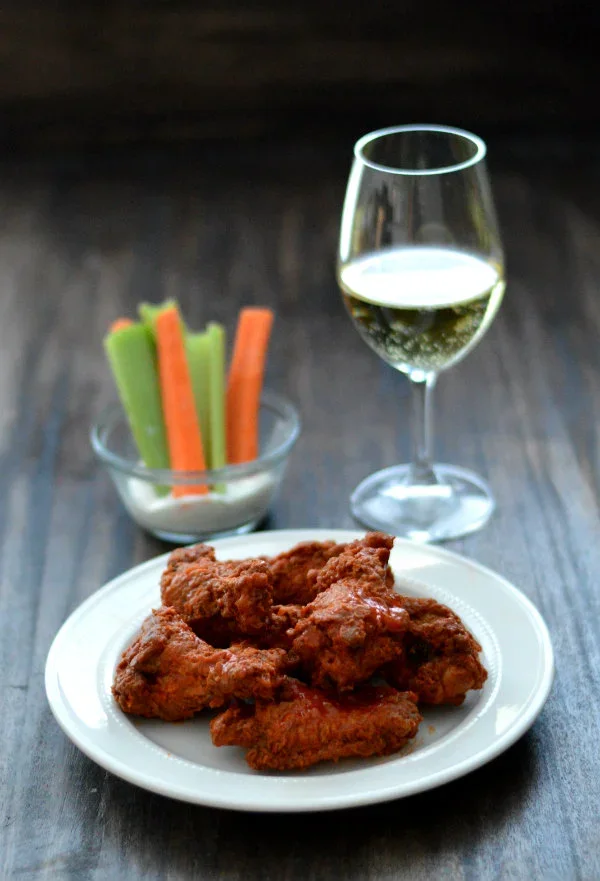
Classic Hot wings paired with Albariño
5. Salt
Salty foods will often increase the perception of a wine's components, just as salt is added to food to enhance flavour- this can be positive or negative. The best wines for salty food in general would be low alcohol, fruit - forward wines with little to no tannins and a touch of sweetness.
Find the wine
Fruit - forward wines with little to no tannins : Riesling, Gewürztraminer, Baco Noir, Late Harvest wines, and Icewine would balance salty food items.
Most dry sparkling wines, such as brut Champagne and Spanish Cava actually have a faint touch of sweetness. That makes them extra-refreshing
Explore the menu
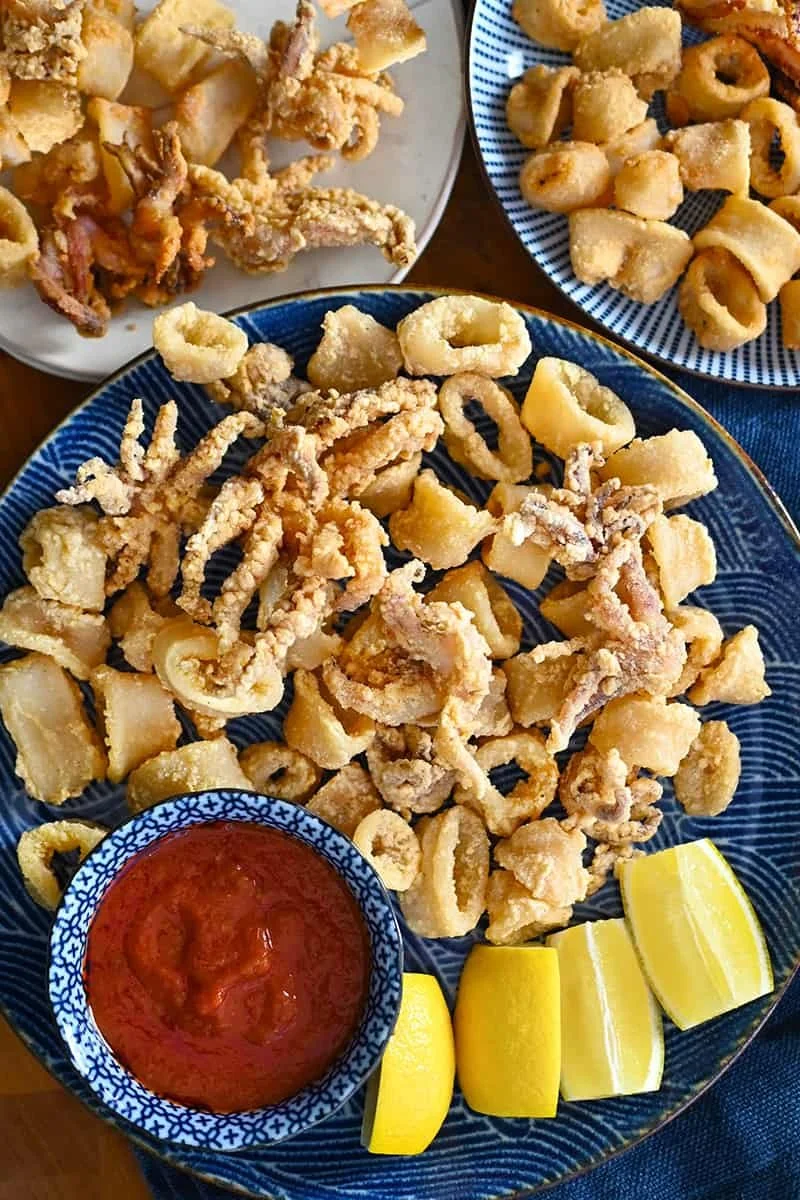
Fried Calamari or Crispy Noodles and Seaweed Salt Appetizers paired with Champagne
7. Be aware
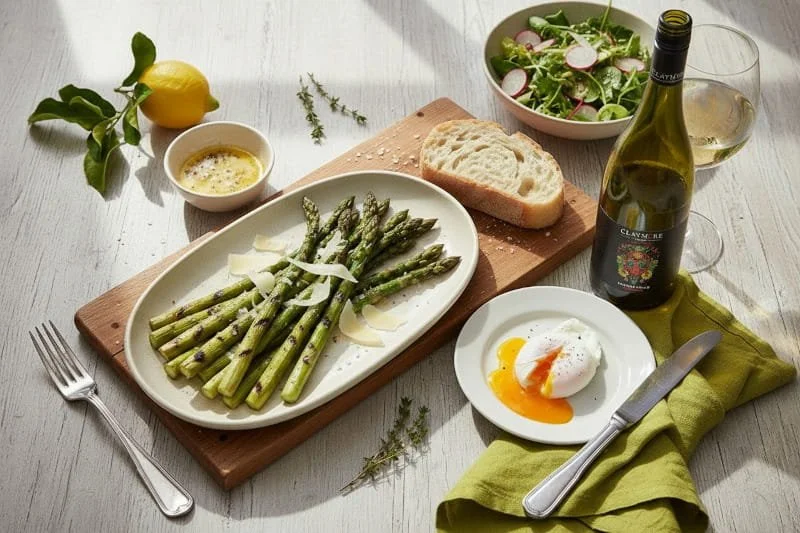
There are food elements that fail to work well with wine. They can make a wine taste bitter, hard, metallic, or oddly sweet. Green Vegetables such as asparagus, artichoke and spinach all contain oxalic acid which makes many wines taste too sweet. Balance the oxalic acid in the dish with butter, cheese or oil. Steer clear of wines with residual sugar when eating these vegetables.
Find the wine
Pair with Green Vegetables: Sancerre or Pouilly Fumé , Sauvignon Blanc, Riesling or unoaked Chardonnay
Explore the menu
The Fix: Balance the oxalic acid in the dish with butter, cheese or oil.
Grilled asparagus with butter paired with Sauvignon Blanc