
Now you have the basic theory under your belt it's time to geek out. Try these food and wine demonstrations to really see and appreciate the impact wine has on food and vice versa.
Test one: Acidity
Three primary acids are found in wine grapes: tartaric, malic and citric acids.
The acidity in wine is an important component in the quality and taste of the wine. It adds a sharpness to the flavors and is detected most readily by a prickling sensation on the sides of the tongue and a mouth-watering aftertaste. Of particular importance is the balance of acidity versus the sweetness of the wine (the leftover residual sugar) and the more bitter components of the wine (most notably tannins but also includes other phenolics). A wine with too much acidity will taste excessively sour and sharp. A wine with too little acidity will taste flabby and flat, with less defined flavors.
Taste Wine With Lemon
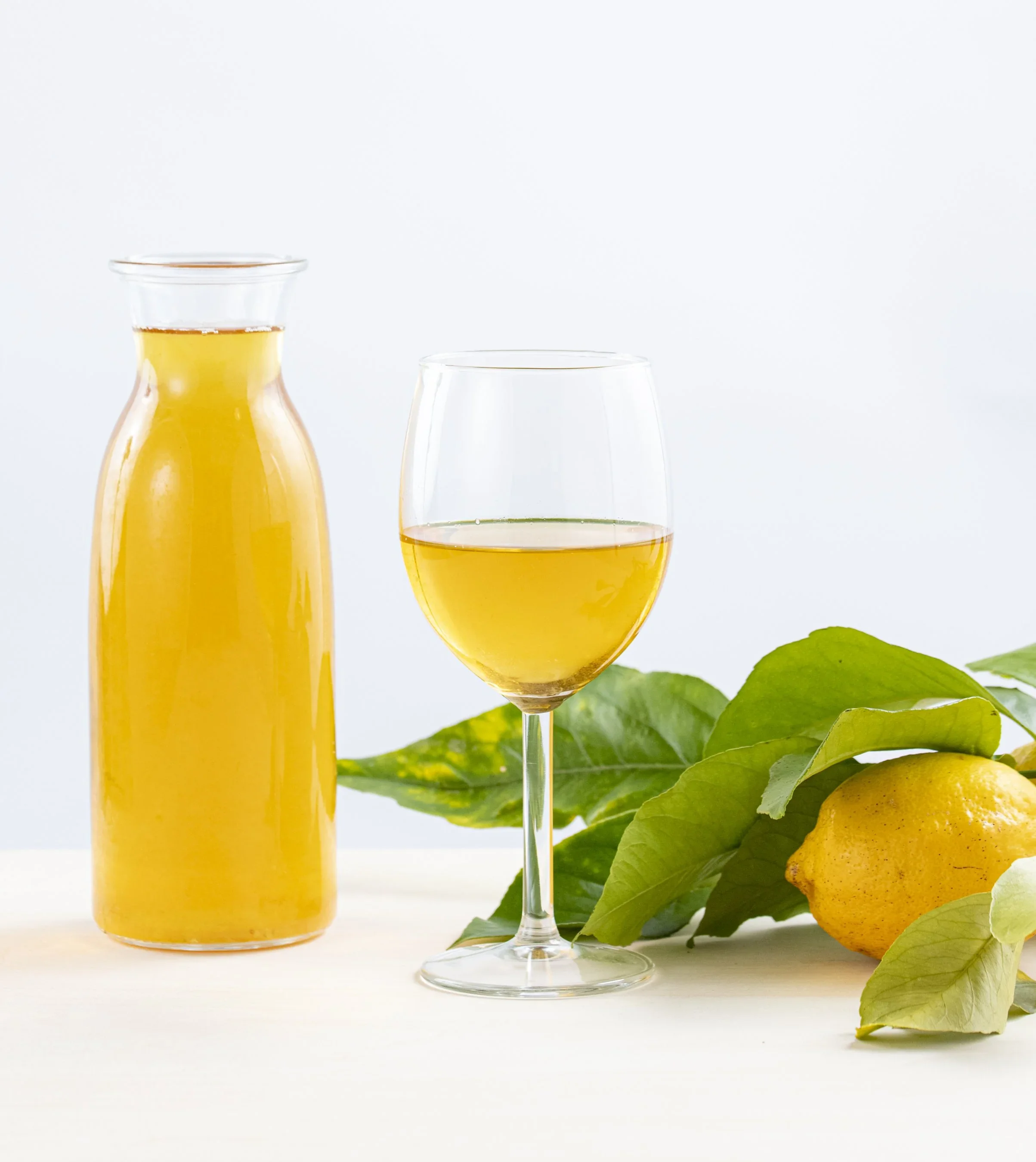
What To Do
1. Take a sip of white wine and, again, notice its acidity.
2. Take a good lick of the lemon wedge.
3. Take another sip of white wine and, again, notice its acidity.
What you will likely notice: The second sip tastes less acidic than the first. You might also notice that it tastes fruitier.
What you can conclude: Acidity in food will soften your experience of acidity in the wine you enjoy with it. It’s a little contrary to logic—you’d think that one acidic thing plus another acidic thing would add up and double the acidity—but with food and wine, it’s the opposite.
Test two: Sweetness
The relative dryness of a wine is measured in terms of residual sugar, or RS in the wine geek's argot. This is the level of natural grape sugar left after fermentation. Once grapes are crushed, yeast feeds off grape sugar to produce alcohol and carbon dioxide. There's always a little sugar left, even in the case of "dry" wines, though the level is pretty trivial. Technically, a wine is considered dry if it contains less than two grams of sugar per litre of fluid. To produce off-dry or sweet wines, winemakers will intentionally halt fermentation prematurely. In a few cases, sweetness will be added to the wine from the outside, sometimes in the form of natural, unfermented grape juice.
Taste Wine With Sugar
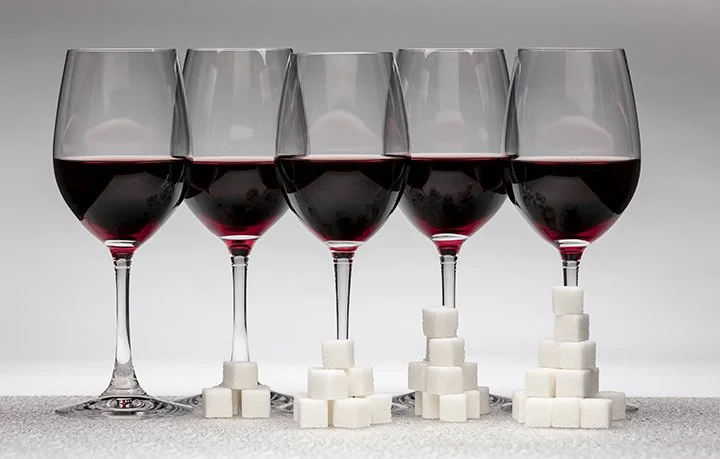
What To Do
1. Take a sip of white wine and, again, notice its acidity.
2. Use your finger to take a good lick of the sugar.
3. Take another sip of white wine and, again, notice its acidity.
What you will likely notice: The second sip of wine tastes more acidic than the first—perhaps even downright sour. (Again, this would’ve been the case with the red wine as well, but the experience is more dramatic with the white because it’s more acidic to begin with.)
What you can conclude: Sweetness in food will heighten your experience of acidity in the wine you enjoy with it. This is why dessert is best with dessert wine—if you serve dessert with dry, or unsweet, wine, the dessert can make your wine taste sour.
Salt
Taking a bottle of wine out of the cupboard and, before drinking it, adding a pinch of salt might sound absurd but that’s exactly what some vino experts are recommending to deal with an unbalanced bottle. For wine-lovers, balancing out flavours is crucial. When tasted after salty food, the wine appeared less jarring, softer and fuller-bodied
Taste Wine With Salt
1. Take a sip of red wine and notice both its acidity and its tannins.
2. Use your finger to take a lick of the salt.
3. Take another sip of red wine and, again, notice both its acidity and tannins.
· Hint: Tannins are the compounds that give you that dry-mouth sensation—you’ll probably feel it most in your gums.
What you will likely notice: The second sip of wine tastes both less acidic and less tannic than the first. You also might notice it tastes fruitier. (FYI, the salt would’ve softened the acidity in the white wine as well, but since white wine has little, if any, tannins, you wouldn’t have noticed anything about them.)
What you can conclude: Saltiness in food will soften your experience of both acidity and tannins in the wine you enjoy with it. It’s a little contrary to logic, because we’re used to thinking of salt as a flavor enhancer—but with food and wine, it can be a softener.
Fat
Taste Wine With Salami
What To Do
1. Take a sip of red wine and, again, notice its tannins.
2. Take a bite of salami.
3. Take another sip of red wine and, again, notice its tannins.
What you will likely notice: The second sip of wine tastes less tannic than the first. You also might notice it tastes fruitier.
What you can conclude: Fattiness in food will soften your experience of tannins in the wine you enjoy with it. This is one reason a nicely marbled steak is wonderful with a big, bold Cabernet.
The Bottom Line
Wine can taste different depending on the food you serve with it. At the least, you want to avoid making your wine taste worse—increasing the experience of its acidity or tannins, for example. At the most, you might want to bend its characteristics more to your liking.