
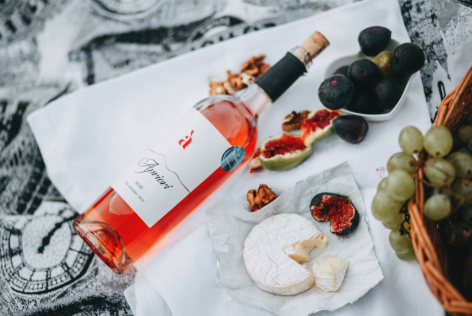
Here are five things to know that will explain why rosé deserves it’s crown.
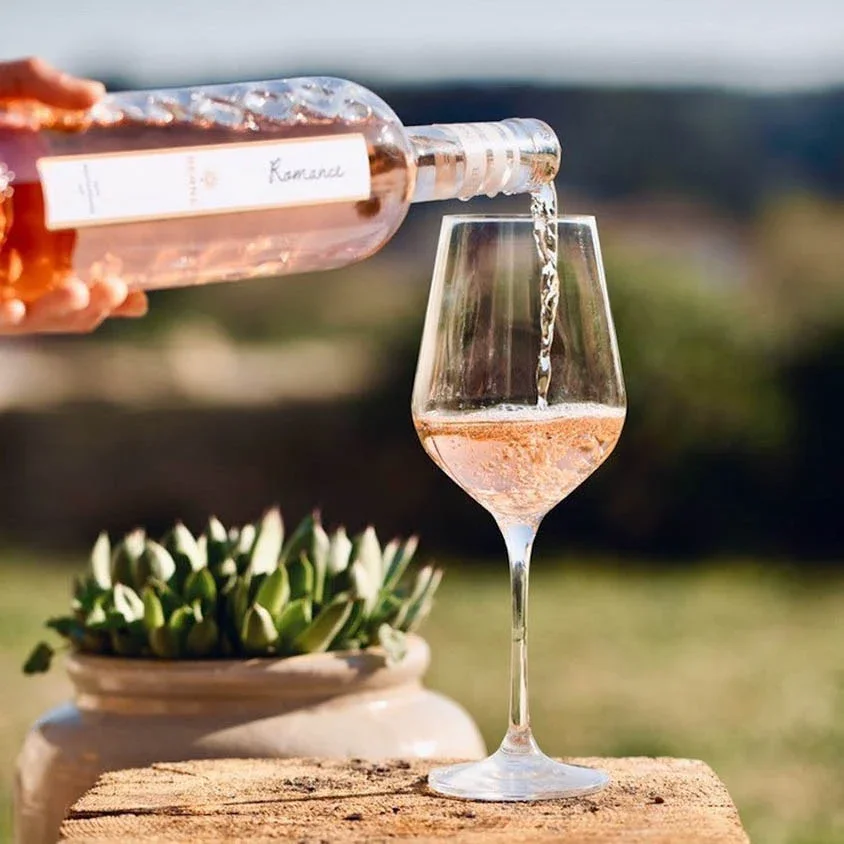
It’s history is as long as the history of wine itself
Rosé is an extremely versatile wine. One with history and complexity worth exploring. Most of the things we do and enjoy in wine came out of necessity rather than design. For example, we enjoy oaked wines not because someone thought it would be great to oak wine but because oak was used in transportation and the contact with the oak gave a great flavour profile and was soon adapted into wine practice. The first wines created were rosés. This is because the technique used at the time to make wine–basically just squishing the juice out by hand or by foot–allowed a little red from the skins to enter the juice.
2. Imitation threatened it’s reign but it overcame
The world of wine is full of competition; in order to be king you must face your rivals. The most vicious battles occur when a new region redefines a grape or style of wine threatening to change the perception of that wine forever. In the 1970s, white zinfandel and blush wines started competing with rosés, and it was then that the reputation of the centuries-old wine began to suffer. Consumers tended to group the sweet blush wines and dry rosé wines together in their minds and thought rosés weren’t as sophisticated as reds or white. The persistent technique of various regions to produce great rosé led to it’s resurgence.
3. Well crafted
Technique is important in wine making and while most may think rosé is made by just blending white and red wine together that rarely happens. Instead most rosé winemakers follow some strict rules. Including growing and picking grapes earlier that are specific for making rosé (more on that in your study guide) Here are the top three techniques used to make rosé
Skin contact: Juice and skins are left in contact for a short period of time, like a day or two, before the skins are removed and the juice is left to ferment as usual.
Saignée: This involves bleeding off some of the red wine in a barrel before the maceration process has made the juice very dark.
Blending: Though this method is considered a bit gauche, some wine makers blend reds and whites to achieve a rosé. This method is mostly used in the Champagne region–the only region sanctioned to use this process.
4. One word. Range.
Rosés have lots of flavor profiles. The perfect tasting guide for rosés would suggest the sampling of all types of offerings until you find what you like best. The tasting notes generally associated with rosés include descriptors such as grapefruit, raspberry, strawberry or even blackberry! Profiles like these make rosés ideal for summer or any time a light, refreshing wine is desired.
5. Food friendly
Pairing wine with spicy dishes is by far the most complex pairing. However rosés are great partners to these dishes. If you follow the example of the massive rosé wine producing region of Provence, France, they will find that the most logical pairings will be with spicy Mediterranean foods common in that area such as garlic, hummus and seafood.
BEST PICKS UNDER $10.00
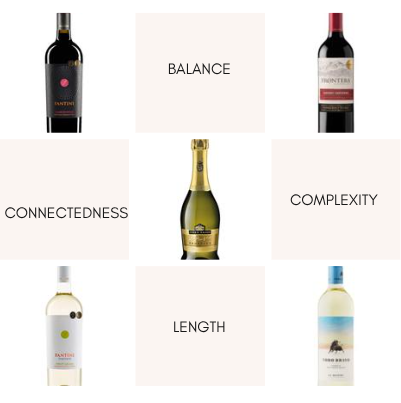
2019 Concha y Toro Frontera Cabernet Sauvignon
Villa Sandi Prosecco DOC
Fantini Farnese Pinot Grigio IGP
2018 Canyon Road Sauvignon Blanc
Fantini Farnese Sangiovese IGT