
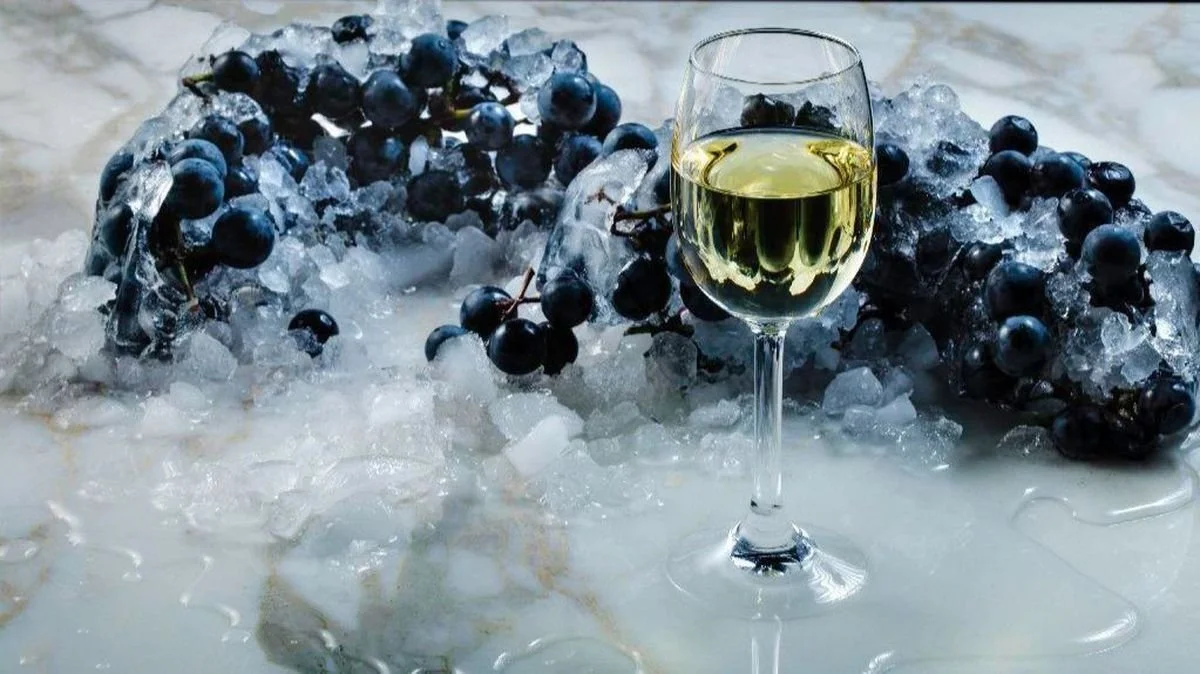
The Jewel of cool climate wine production
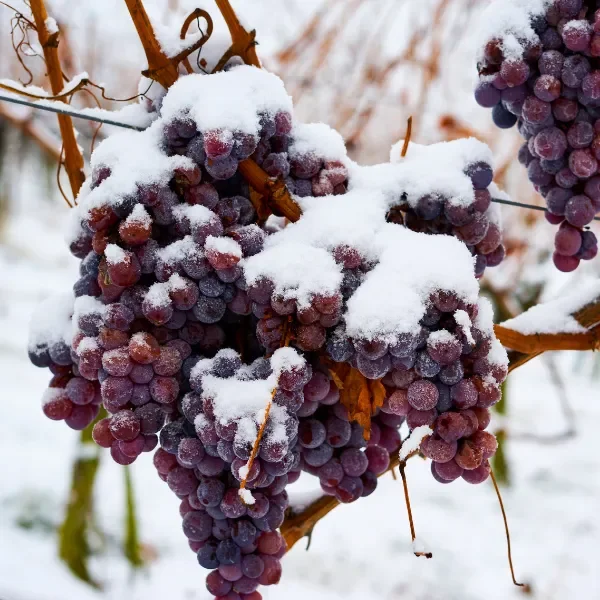
Niagara won the location lottery with an almost ideal climate condition to produce Ice Wine. It enjoys warm summers to ripen grapes and cold winters to allow grapes to be left on the vines and freeze naturally. Ice Wine is made from approved grape varieties such as Vidal Blanc, Riesling, and Cabernet Franc. The frozen grapes are crushed and only a small amount of concentrated juice is extracted – meaning the winery only gets a very small amount of juice from each grape. Winemaker Caroline Granger said, on a tour of The Grange Winery,“The love for Ontario wines needs to be fueled by understanding the intensity and sacrifice it takes to make wine here.” Ice Wine is born from extreme weather harvest and intense force in order to extract juice, in addition to the uncontrollable rigors of fermentation.
The result however, is a lusciously intense wine that will unmistakably scream Niagara once it hits your palate.
What is Icewine and How is it Made?
Icewine is a dessert wine renowned for its intense flavours, rich bouquet and unsurpassed smoothness. It is produced from grapes that have been left on the vine after the fall harvest. When temperatures dip to -8ºC (or lower) the frozen grapes are handpicked and pressed immediately to carefully release a thick, rich, yellow-gold liquid, highly concentrated in natural sugars and acidity.
Why is Icewine So Expensive?
The production of true Icewine is risky. Icewine producers leave select vineyards unharvested and wait for winter to set in. The fruit left on the vine after the normal fall harvest is vulnerable to rot, ravaging winds, hail, hungry birds and animals.
The making of Icewine is labour intensive. In order to ensure that the grapes are harvested when frozen solid, a trained workforce must be available to go out into the vineyards in the middle of the night at temperatures below -8°C to pick the frozen grapes by hand. The grapes must be pressed immediately while they are still frozen.
Yields are small. It takes about 3.5 kilograms of Riesling grapes or three kilograms of Vidal grapes to produce one 375-millilitre bottle of Icewine. The same amount of grapes would produce six to seven times as much table wine.
Which Grape Varieties Are Used for Icewine?
The majority of Icewine continues to be made from Riesling and Vidal. Riesling produces an Icewine with more acidity than Vidal.
Other varieties used include Gewürztraminer, Cabernet Franc, Merlot, Pinot Gris, Chardonnay, Muscat Ottonel, and Gamay.
Newer variations to look for: sparkling Icewine and other varietals.
Some Serving Tips
Chill Icewine in an ice bucket for 15 minutes or refrigerate for two hours before serving.
Serve Icewine in a traditional white wine glass to fully enjoy the rich, full bouquet.
Allow 1.5 ounces per person
Once opened, Icewine will keep for several weeks if sealed in the refrigerator.
Icewine Cocktails


VQA Cold Fashioned
1 oz VQA Red Icewine
1 oz Canadian Whisky
Cherries and orange slices for garnish
In a rocks glass with ice, stir VQA Red Icewine and whisky together. Garnish with cherries and orange slices.
VQA Icewine Grand Prix
1 oz VQA Red Icewine
1 oz Premium Vodka
½ oz Grand Marnier
Orange peel for garnish
Pour VQA Red Icewine, vodka and Grand Marnier over ice in a cocktail mixer or shaker. Stir gently, then strain into a chilled martini glass and garnish with an orange peel.