

ITALY.
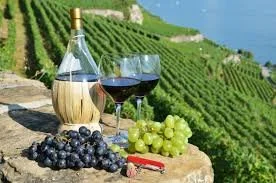
As one of the largest wine-producing nations on earth, Italy is virtually synonymous with wine, thanks to its centuries-old winemaking traditions, hundreds of indigenous grapes and wide variety of climates and soils.
Chianti, Barolo, Amarone, Barbaresco, Prosecco...the names alone conjure visions of the ancient vineyards and dramatic landscapes that exist from the mountainous north to the tippytoe of this boot-shaped peninsula.Get ready to explore it all.
Ten Things to Know About Italian Wines
Where wine dreams are made.Learning about wine can take on many forms: old world vs new world, uncovering strange and trendy wines (think Pét-Nats etc.) but one of the most explosive ways to learn about wine is to delve into a region. So for our first region study…Where would we go first?Of course the country that is synonymous to wine.
Designation
You will see DOCG, DOC, IGT on Italian wine labels . These are safeguards that take the form of protected zones where growers and producers must adhere to strict regulations in order to be certified by these laws. There are some correlation between these categories and wine quality. Certification falls into three categories of decreasing strictness: DOCG, DOC, and IGT. Rules govern all aspects of production. We explore more in the study guide!
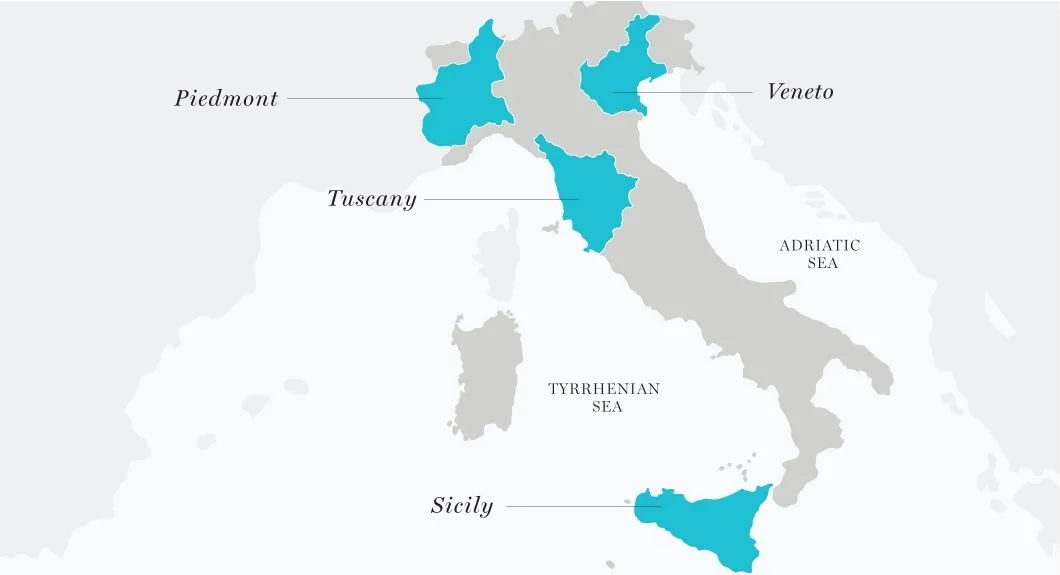
2. Tuscany
Now who haven’t dreamt of days in Tuscany. While on vacation enjoy some Chianti, Chianti Classico ,Vino Nobile di Montepulciano and Brunello di Montalcino DOCGs made from the famous Sangiovese-based. Many wines are labeled as Toscana IGT because they don’t conform to traditional production rules. These wines can be 100% Sangiovese or with blends of international varieties like Cabernet Sauvignon or Syrah. For whites, the most famous appellation is Vernaccia di San Gimignano DOCG.
3. Sicily
The largest island in the Mediterranean, Sicily’s dry, warm climate and copious sunshine are perfect for viticulture...and sunbathing! There are fruity, medium-bodied red wines made from Nero d’Avola and juicy, peachy white wines made from Grillo, which are most prolific from the Sicilia DOC. In the south, Nero d’Avola is blended with Frappato for Cerasuolo di Vittoria DOCG. The red grape Nerello Mascalese and the white grape Carricante produce sought-after wines from the Etna DOC. Marsala DOC is a fortified wine from the west.
4. Veneto
Rich in history, beauty and wine, Veneto offers a breadth of grapes and styles due to numerous microclimates. The volume of Pinot Grigio and demand for Prosecco has made this region famous; especially from Conegliano Valdobbiadene DOCG and Cartizze DOCG region. The red wines of Valpolicella DOC and Amarone della Valpolicella DOCG are both based largely on black grape Corvina, as are the rosé and red wines of Bardolino DOC. East of Verona, Garganega is the main white grape in Soave DOC, while Trebbiano dominates in the white wines of Lugana DOC.
5. Piedmont
Boasting the perfect growing conditions for Nebbiolo, the black grape that produces the region’s most famous wines: Barolo DOCG and Barbaresco DOCG. Barbera and Dolcetto, are two other red grapes also well known and enjoyed for their more accessible price points and drinkability in the short term. White wines are less common in this region except for Moscato d’Asti, made in the Asti DOCG, a gentle fizzy and sweet sparkling wine.
6. Pinot Grigio
Generally light-bodied, dry, and crisp, with subdued aromas and flavors and no oakiness. Made from Pinot Gris grapes, usually in Northeastern Italy. Wines from Collio or Alto-Adige DOCs (controlled origin denomination) are usually the best.
7. Trebbiano
Also known as Ugni Blanc in France, Trebbiano is responsible for half of the white wine made in Italy. Renowned for making light, crisp and refreshing wines, it shows plenty of citrus elements, especially lemon and lime zest, along with almond and apricot flavours. Try It With: light fish or seafood pasta. It’s also great with appetizers, antipasto platters, bruschetta, salads and light white meats such as chicken.
8. Amarone
Lusty, full-bodied wine from partially-dried Corvina grapes, in the Veneto region. Dry and firm wine, but its ripe, concentrated fruitiness suggests sweetness. Needs rich, savory foods or flavorful cheeses.
9. Sangiovese
Italy’s signature grape is the dominant variety in some of the country’s best-known wines: Chianti, Brunello and Vino Nobile di Montepulciano, in particular. Medium-bodied, round and rustic, Sangiovese often shows strawberry, red cherry and ripe plum flavours overlaid with aromas of leather and autumn leaves, and it typically receives a little oak aging. Sangiovese’s higher acidity and moderate to firm tannins make it an excellent food wine
10. Nebbiolo
Nebbiolo is an Italian red wine grape variety predominantly associated with its native Piedmont region, where it makes the Denominazione di Origine Controllata e Garantita wines of Barolo, Barbaresco.the wine has a great amount of acidity, mouth-drying tannins and earthy flavors that go well with all types of food.
Tips To Store Wine
Storing wine at home can be difficult especially if you live in a small space and don't have a wine fridge. Below are some quick tips to keeping your wine well.
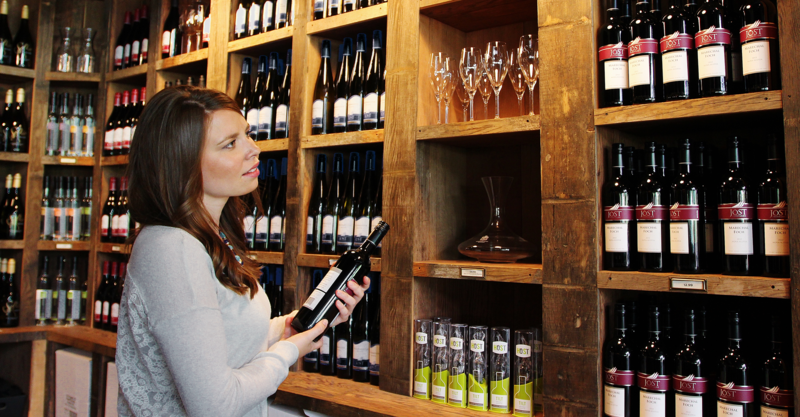
Keep Away From the sunlight
If wine is exposed to sunlight, the amino acids can oxidize and change the flavor. White wine is especially vulnerable to sunlight since most wineries bottle it in clear glass. Try your closet.
2. Use the Closet
Favorite place to keep wine safe from heat and light is the closet. Likely the most temperature-stable place in your apartment, plus the closet door is basically a built-in light reducer. Keep bottles away from exterior walls to avoid vibration.
3. after opening
White wine and rosé can last about five to seven days in the fridge. Red wine should last about three to five days if you store it in a cool, dark place.
4. Avoid odors
You may be surprised to learn that wine can actually absorb strong odors. If wine is exposed to things like onions or even the trash can in your kitchen, those odors can permeate the cork and get into the wine over time.
5. get a rack
Store wine bottles with corks on their side instead of upright. This will slow down the oxidation process and keep the cork moist, so it doesn’t rot or fall apart.
Cheers to!
PROSECCO
GUIDE
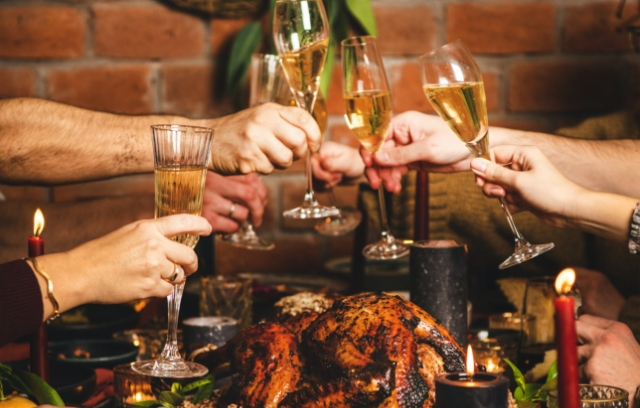
PROSECCO IS
OFTEN COMPARED TO
CHAMPAGNE
BUT IT'S TIME
IT GOT THE SPOTLIGHT
IT DERVES
PROSECCO
Prosecco is a sparkling wine originating from the Valdobbiadene region in Veneto, Italy. it is made primarily from Glera grapes using Charmat method, in which the second fermentation takes place in large, pressurised stainless-steel tanks rather than in individual bottles. This process produces wines with approximately three atmospheres of pressure, meaning Prosecco’s bubbles typically last longer than those in beer, which has about 1.5 at atmospheres of pressure, but not as long as Champagne.
PAIRING WITH FOOD
Can be served as an aperitif (before food). Prosecco is an excellent palate cleanser and can be paired with medium intensity food. Because of its sweet aromatics and bubbles, Prosecco matches well with spice.
iS IT SWEET OR DRY?
Most Prosecco wines are produced dry, brut style but you can find sweeter style. The best way to tell the sweetness of any wine is to check the sugar level on the label.
HOW TO SERVE?
All day everyday? no. thats a bit excessive. Prosecco should be served cold (38–45 °F / 3–7 °C),
THE BEST GLASSWARE
Try to serve Prosecco in a sparkling tulip glass. The tulip glass is ideal because it’s tall and slender, which helps preserve the bubbles’ finesse for longer, while the larger bulb at the top helps collect more of the wine’s floral aromas.
BEST PLACE TO SOURCE PROSECCO
Prosecco DOC: The most common quality level of Prosecco which can be made in nine provinces spanning Veneto and Friuli-Venezia Giulia regions
Prosecco Conegliano Valdobbiadene Superiore DOCG: Grapes are blended from a smaller, more focused growing area between Valdobbiadene and Conegliano in the hills
OTHER PLACES TO LOOK FOR:
Asolo Prosecco DOCG
Prosecco Conegliano Valdobbiadene Superiore Rive DOCG
Valdobbiadene Superiore di Cartizze DOCG: A micro-region of just 265 acres just outside of Valdobbiadene (towards the Westside), commonly considered to be one of the finest terroirs for Prosecco in the world.