

The Rise of Rosé Champagne
Rosé Champagne represents more than a category of sparkling wine. It reflects a cultural shift toward intentionality, emotional connection, and modern luxury. Consumers today are drinking less, but choosing more carefully, seeking wines that feel expressive, memorable, and meaningful.
While global Champagne shipments have declined in recent years, rosé Champagne continues to grow within the premium market. The story is not one of decline, but of discernment. Consumers are no longer simply purchasing celebration; they are investing in experience.
A Wine Misunderstood
Rosé Champagne is often viewed as flexible, playful, or trend-driven rather than serious. Yet producing rosé Champagne requires immense technical precision, blending discipline, and long-term vision.
The tension lies not in the wine itself, but in perception. Rosé Champagne asks whether tradition can evolve while remaining emotionally relevant, gastronomically versatile, and worthy of a permanent place at the modern table.
Food, Culture & Connection
Rosé Champagne thrives where people gather. Its acidity, fine mousse, and delicate red-fruit character allow it to move effortlessly across cultures and cuisines.
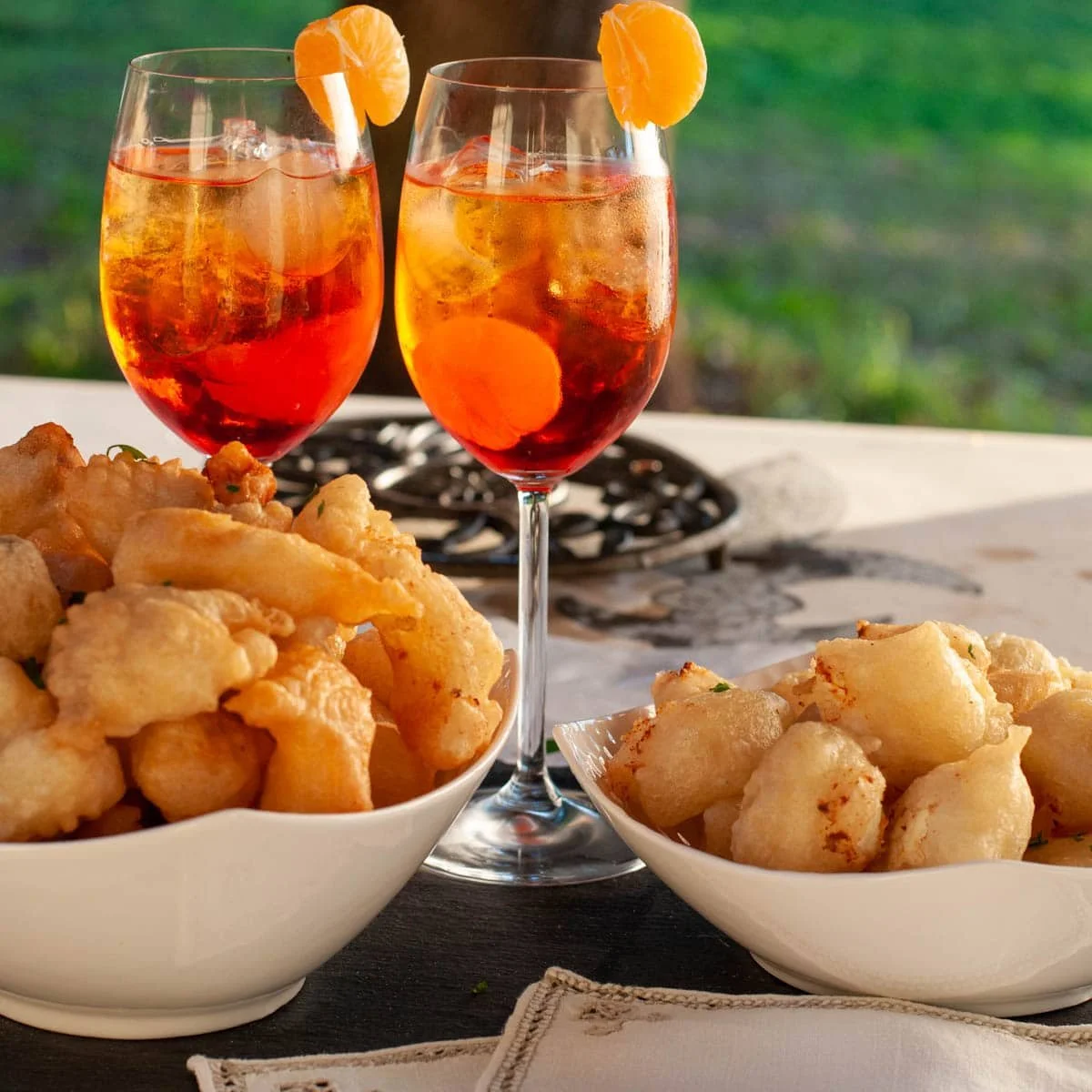
Fried Dough
From beignets to churros to puff-puff, fried dough exists in nearly every culture. Rosé Champagne cuts through richness while amplifying warm, floral notes.
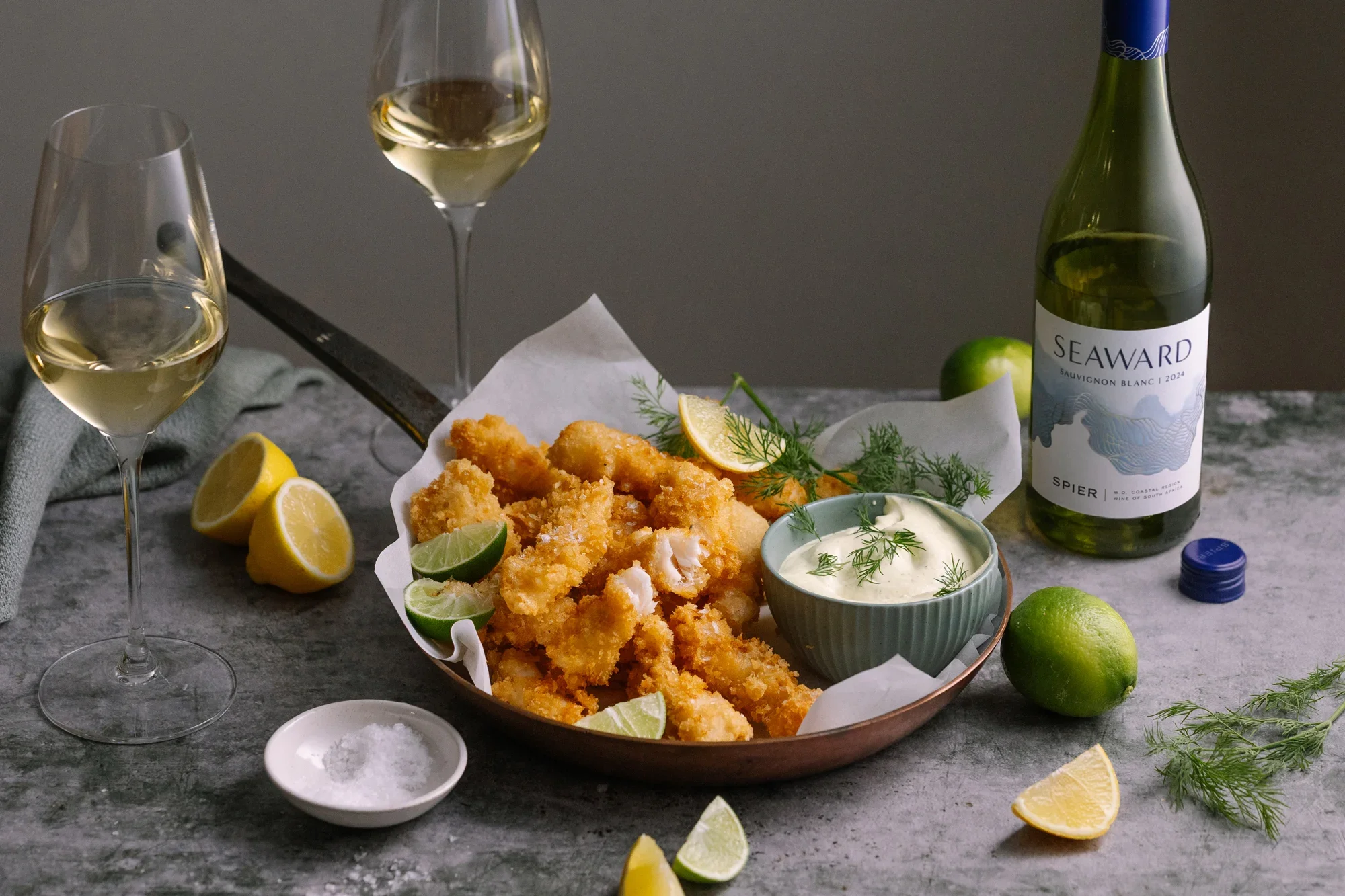
Salted Fish
Whether bacalao, Caribbean saltfish, or Japanese himono, salt intensifies Champagne’s savoury precision and brightens its fruit profile.
Meat-Filled Pastries
Empanadas, samosas, and borek all carry a sense of comfort and care. Rosé Champagne lifts density and refreshes the palate without overpowering the food.

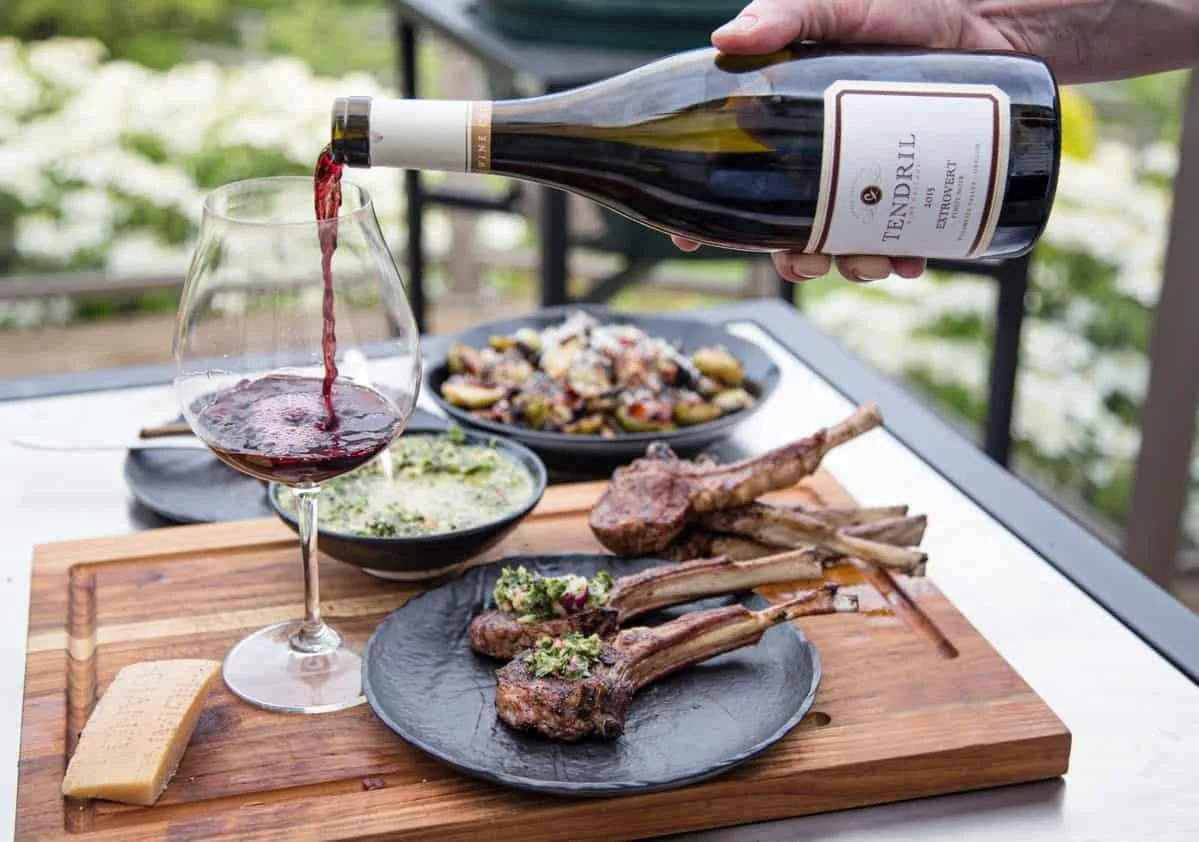
Stews & Grilled Meats
Slow-cooked stews and fire-driven dishes like jerk, braai, or wagyu reveal Champagne’s versatility. Acidity refreshes richness while bubbles soften spice and smoke.
Climate Change & Champagne
Climate change is reshaping Champagne at every level. Historically, the region’s cool climate allowed grapes to ripen slowly, preserving the high acidity and moderate sugar levels that define freshness and longevity.
Today, warmer temperatures and earlier growing seasons accelerate ripening. Chardonnay develops riper citrus and stone-fruit notes sooner, while Pinot Noir and Meunier gain deeper fruit character and broader texture.
The result is a new style of Champagne:
rounder textures
richer mid-palates
greater vinosity
lower dosage styles
Yet excessive ripeness carries risks. Without precision, Champagne can lose the chalk-driven freshness and tension that define its identity.
The Return of Forgotten Grapes
As the climate warms, Champagne’s lesser-used grape varieties are becoming increasingly valuable.
Petit Meslier and Arbane, once rare and overlooked, are now prized for their piercing acidity and citrus edge. Pinot Blanc contributes softness and floral lift, while Pinot Gris brings texture and subtle spice.
Blending itself has evolved beyond technique into philosophy — balancing ripeness, freshness, and texture across vintages and vineyards.
Wine as a Mirror for Life
Climate and wine mirror life itself.
Excess creates imbalance. Scarcity creates stress.
Too much rainfall weakens root systems and mineral uptake. Too little water limits photosynthesis and sugar development. These reactions shape wine in ways that are both technical and deeply human.
Understanding vintage variation allows consumers to connect emotionally with Champagne rather than simply consume it. Cooler years offer freshness and lift; warmer vintages bring generosity and opulence.
Wine becomes more meaningful when people understand why it tastes the way it does.
The Future of Luxury
Luxury is evolving.
Today’s consumers increasingly value sustainability, transparency, and purpose alongside craftsmanship and heritage. Champagne houses such as Ruinart reflect this shift through innovations like Second Skin packaging, reducing environmental impact while preserving elegance and identity.
The future of Champagne will not be defined solely by climate change, but by how producers adapt with intention, creativity, and care.