
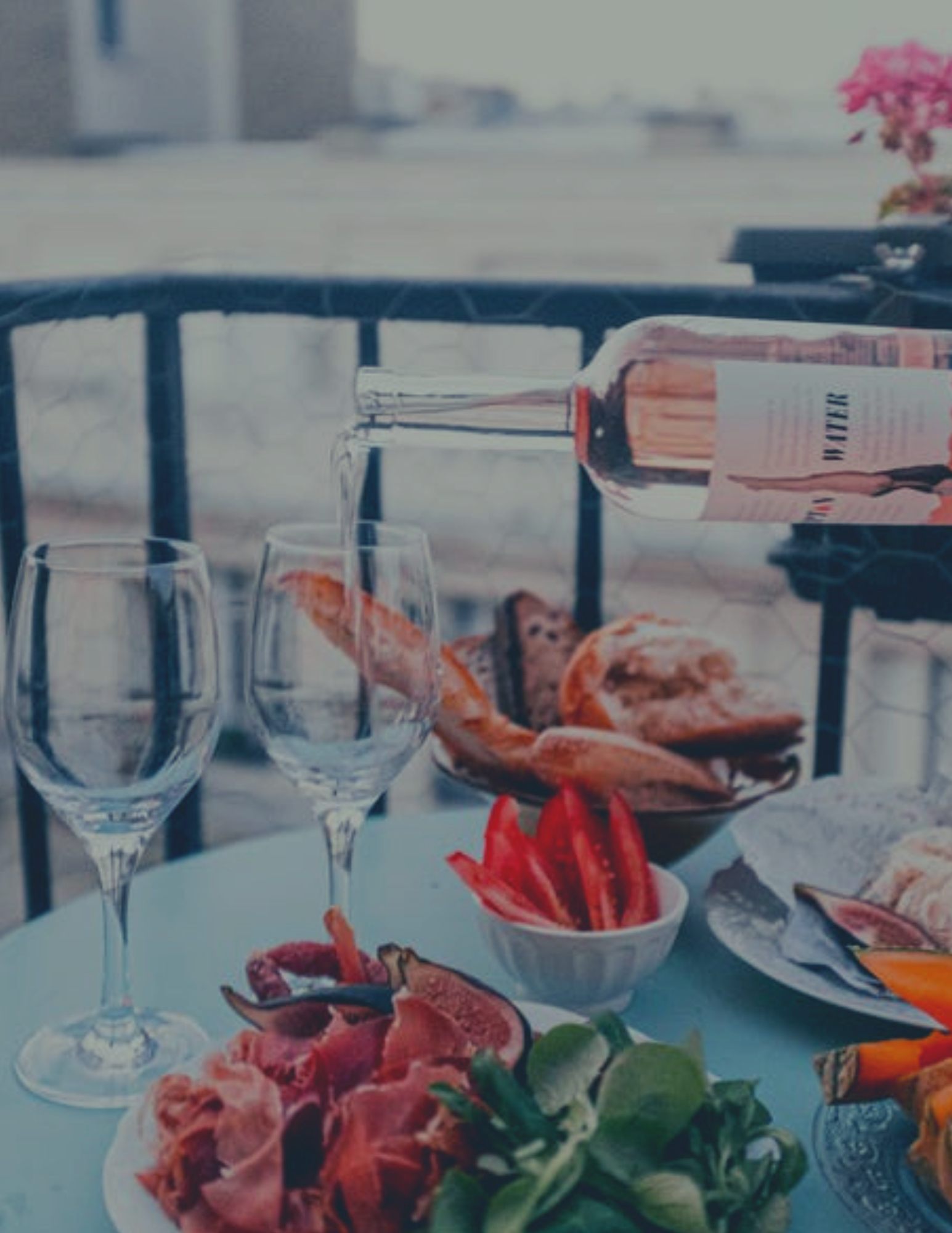
How are rosés made?
Rosés are made using three techniques:
Skin contact/ Direct Press/ Maceration method
Saignée (pronounced sé·nyé)
Blending
Does the process make a difference?
Lets drill down a bit on the two main methods; skin contact and Saignée
Rosé made with the Saignée method tend to have deeper, more vibrant pink color and darker flavors of blackberry, raspberry, and berry jam.
the direct press method has a more perfumed aromatics and delicate flavor compounds like strawberry, bright cerry, and rhubarb.
So it does come down to preference. If you enjoy higher acidity and aromas of strawberry then you will enjoy a direct press style from Provence. Want bolder flavours then try a saignée from Napa
Skin contact/ Direct Press/ Maceration method
This is when the juice (pulp) of the grape is left in contact with the skin of the grape. This period of contact can be short for a day or two; before the skins are removed and the juice left to ferment.
Saignée method
Derived form the french word for “bleeding” the Saignée method is where a small amount of juice is bled off early in the process of making red wine. This allows the red wine to be more concentrated. At this point the winemaker can discard the wine, use it to top up other wines (ullage) -or my favourite-make some Rosé!
Blending method
The last method is the blending of red and white wine together to make Rosé. This method is usually frowned upon or mistakenly seen as the main method to creating Rosé. It is however used in arguably one of the most popular regions for quality- Champagne. Champagne is also the only region sanctioned to use this process.
The best temperature to serve Rosés and other wines
Sparkling wine
Serve it very cold (40- 50 ˚F/ 5˚-7˚C. )
Put the bubbly in the freezer for about an hour or give it an ice bath ( ice and water) for 30 minutes.The ice cold temperature will keep the bubbles fine rather than foamy.
White Wine and Rosé
Serve it cold (48- 54 ˚F/ 8˚-12˚C. )
Keep wine in the fridge for several hours or put it in the freezer for 30 minutes.
tip: Once open you can leave the bottle on the table as the temperature goes up the flavour will change slightly which allows you to discover different aspects of the wine.
Red Wine
Serve it cool (60- 70 ˚F/ 16-18˚C. )
Do not serve at room temperature, pour your reds when they are cool. Put your red wine in the fridge for an hour before serving or freezer for 15 minutes.
tip : once you open, decant and serve the first glass , just like the tip given before, keep the wine on the table and allow it to gradually warm up and see how the taste changes overtime.
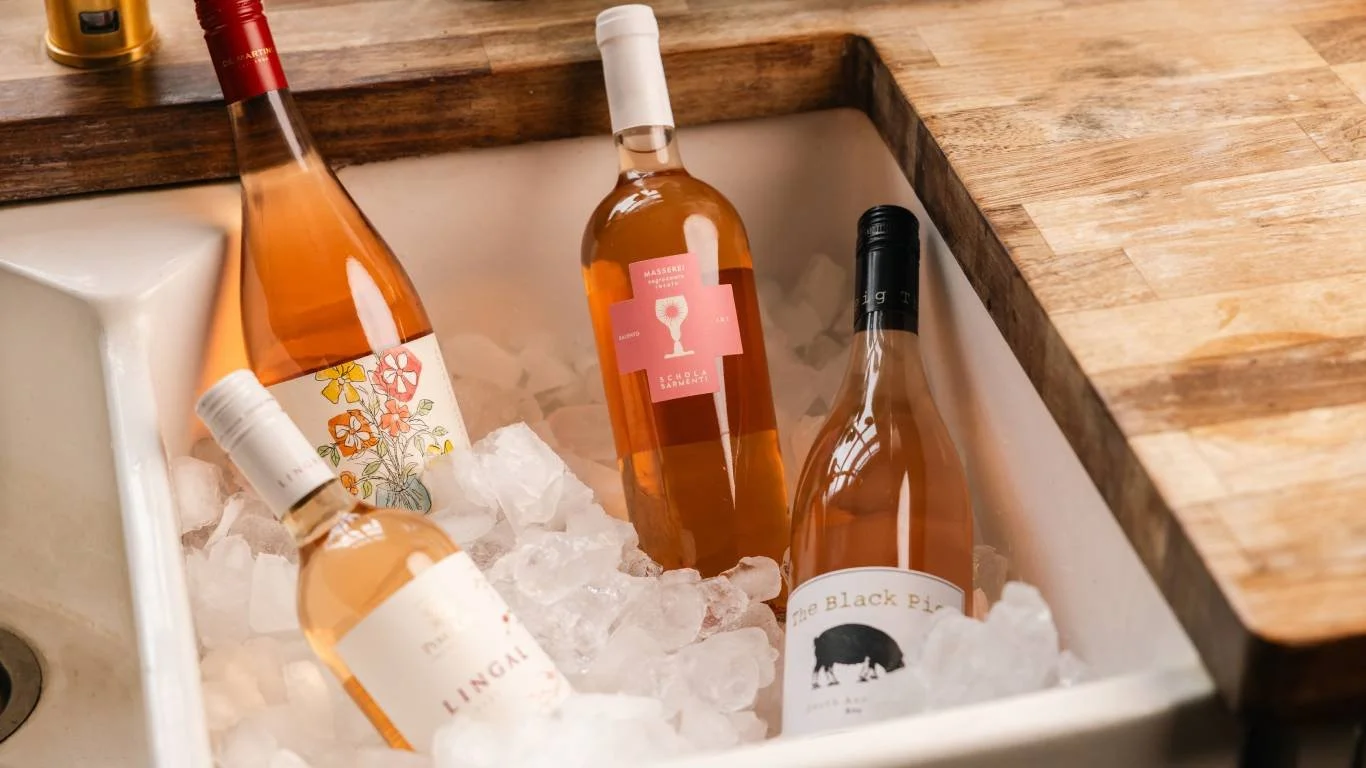
The most frequently asked rosé question: Is it Sweet or Dry?
In the 1970s, white zinfandel and blush wines started competing with Rosés, and it was then that the reputation of the centuries-old wine began to suffer. Consumers tended to group the sweet blush wines and dry Rosé wines together in their minds. Still to this day many people think Rosés are sweet pink wines; however there are a number of dry Rosés on the market.
Since there are many different types of Rosés the distinction between dry and sweet Rosé is much more important than country of origin. If you are feeling confused trying to select a Rosé based on sweetness level; here are some rules to use:
Pick by region
Old World Rosé (Europe) = will usually be more dry (not sweet)
New World Rosé (everywhere else) = A touch sweeter (less dry)
There are however tons of exceptions to this (some California Rosés can be bone-dry; some European wines have higher sugar levels), but it can be a helpful way to narrow down your options at the wine store if you're feeling overwhelmed.
Use ABV
The best way is to check the Alcohol by Volume (ABV) this is always listed on the wine label. The rule is the lower the alcohol the sweeter the Rosé
A sweet Rosé is usually 10.5 % and lower ABV
A dry Rosé is usuallyDry 12.5 % and over.
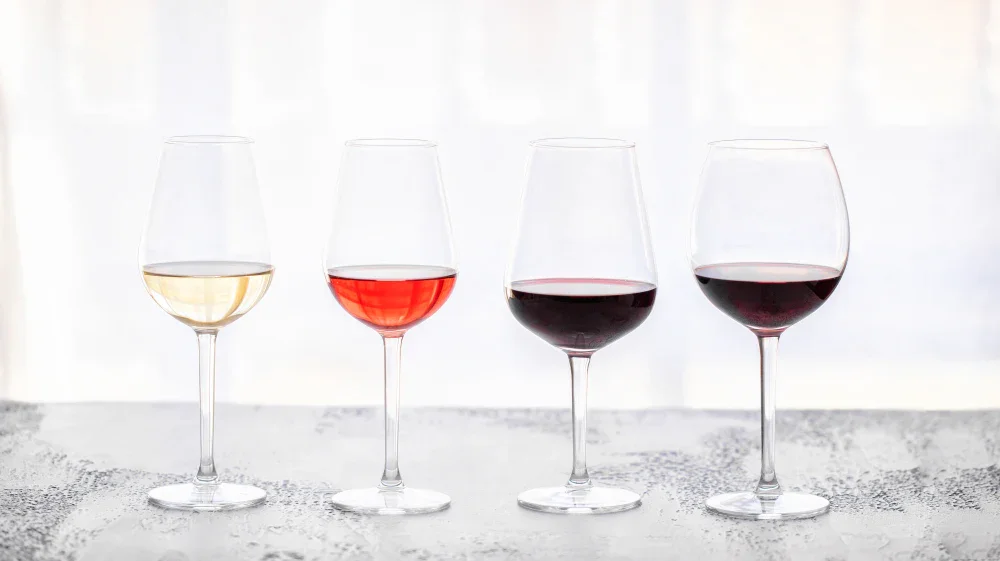
Colour
If the bottle is clear what you see can tell you a few things about the Rosé.
Darker Rosé can have a slightly richer mouthfeel and can sometimes be fruitier in style than the pale Rosé
Think about it like preparing tea. Just like a teabag is left to steep in water, grapes and their skins are left to macerate over the time. The longer the maceration period and the warmer the temperature, the more tannins, flavour, and colour the skins will release.
Can the colour tell if the Rosé is sweet?
Not really. How much sugar is in wine is determined by fermentation (yeast breaking down sugar to alcohol) the step after maceration(skin contact). A winemaker can have less skin contact (ie lighter coloured Rosé) but allow most of the sugar to remain in the wine (making it sweet) which is why not all light Rosés are dry and not all darker Rosés are sweet.
What aromas or taste can I expect from a Rosé ?
It varies. Any red wine grape can be made into a Rosé wine and the varietal chosen will result in the flavour profile. So pinot noir Rosé usually has tart red fruit flavours like cherries and strawberries while cabernet-based Rosé will have more black fruit aromas like blackberries and black plums.
TASTING GUIDE
The perfect tasting guide for Rosés would suggest the sampling of all types of offerings. You should be sure to sample vintages from a range of varieties such as Pinot Noir, Malbec or Merlot grapes. The darker pink wines will likely be bursting with fruit flavours and have a higher tannin level thanks to the longer time the skins were allowed to remain in contact with the juice. Here is a guide to exploring the world of Rosé:
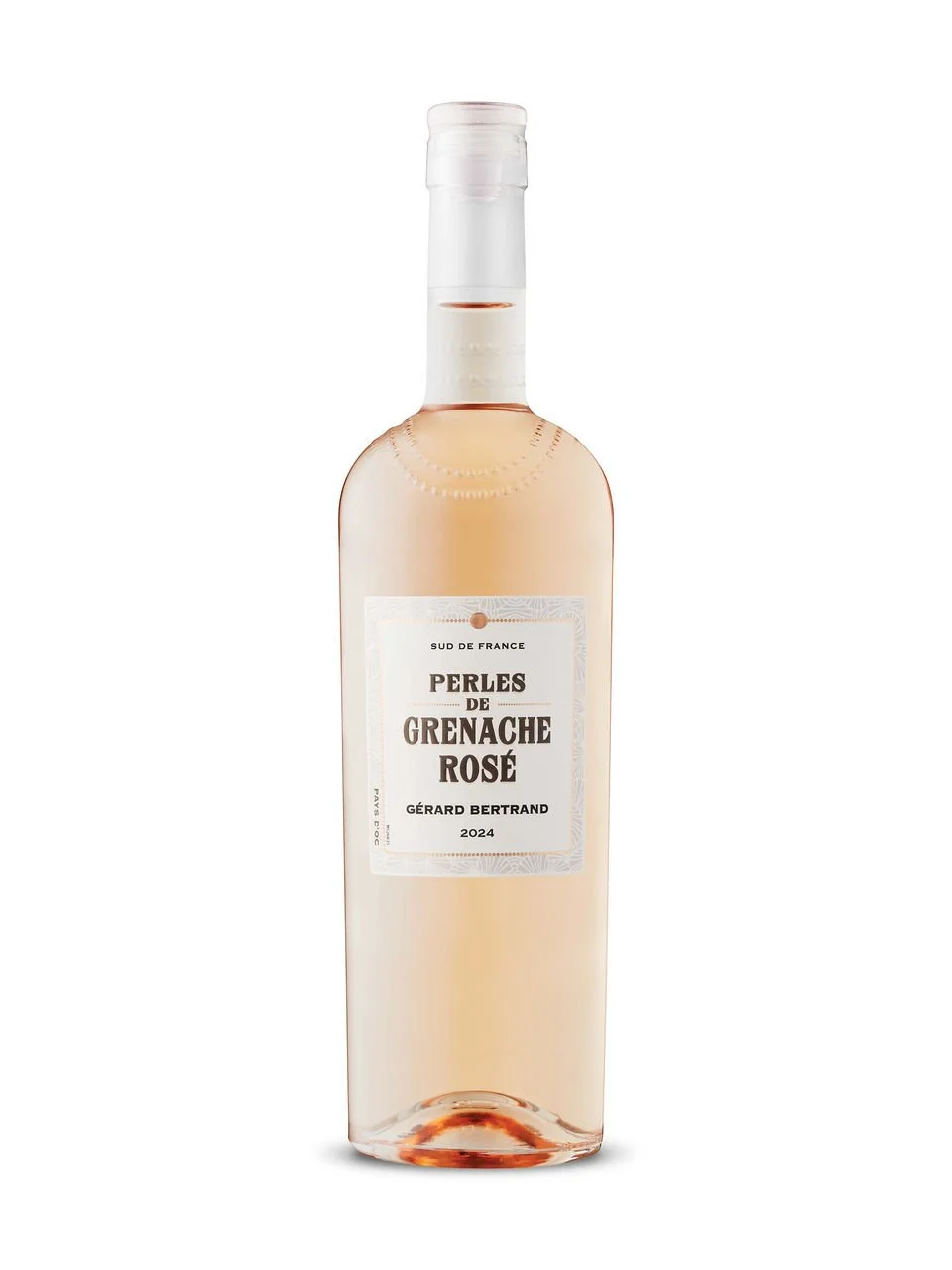
Grenache Rosé
01
Style: Fruity
See: A brilliant ruby red hue
Tasting Notes :Expect notes of ripe strawberry, orange, hibiscus and sometimes with a hint of allspice. You’ll find wines of Grenache to have moderately high acidity,
Serve:Serve cold to keep them zesty.
Pair: Greek food
Try: Sous La Mer Mediterranee Rosé IGP
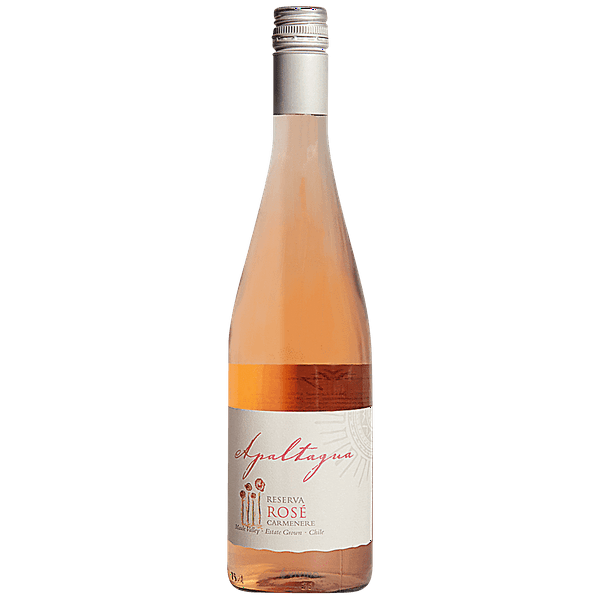
Carménère Rosé
02
Style:Savoury
See: deep ruby-red colour
Tasting Notes: supple red-and-black berry flavours (in a similar style to Merlot) and herbaceous notes of green peppercorn.
Pair: Burger, grilled lamb and fresh pita with black olive tapenade.
Try: Galan Private Reserve Rosé 2015 Carmenère OR
Dona Isidora Carmenere Rosé 2017-
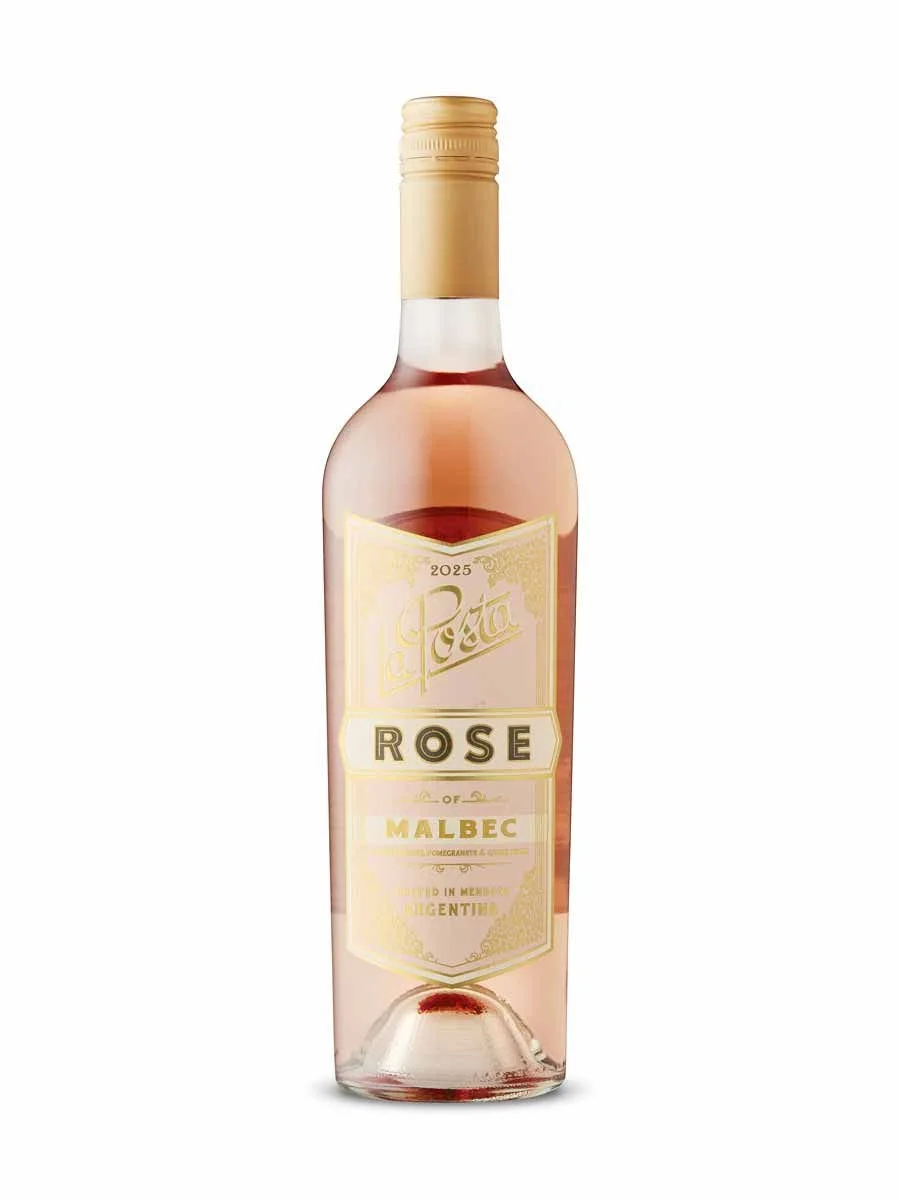
Malbec Rosé
03
Style: Savory
See: The ‘Saignée Method’ is typically used in making Argentina Malbec Rosé, which means it will have deeper colors of ruby
Tasting Notes: Black cherry, Pomengranate, Plum, Raspberry, Blackberry, Blueberry, Raisin
Pair:Pepperoni pizza
Try: Astica Malbec
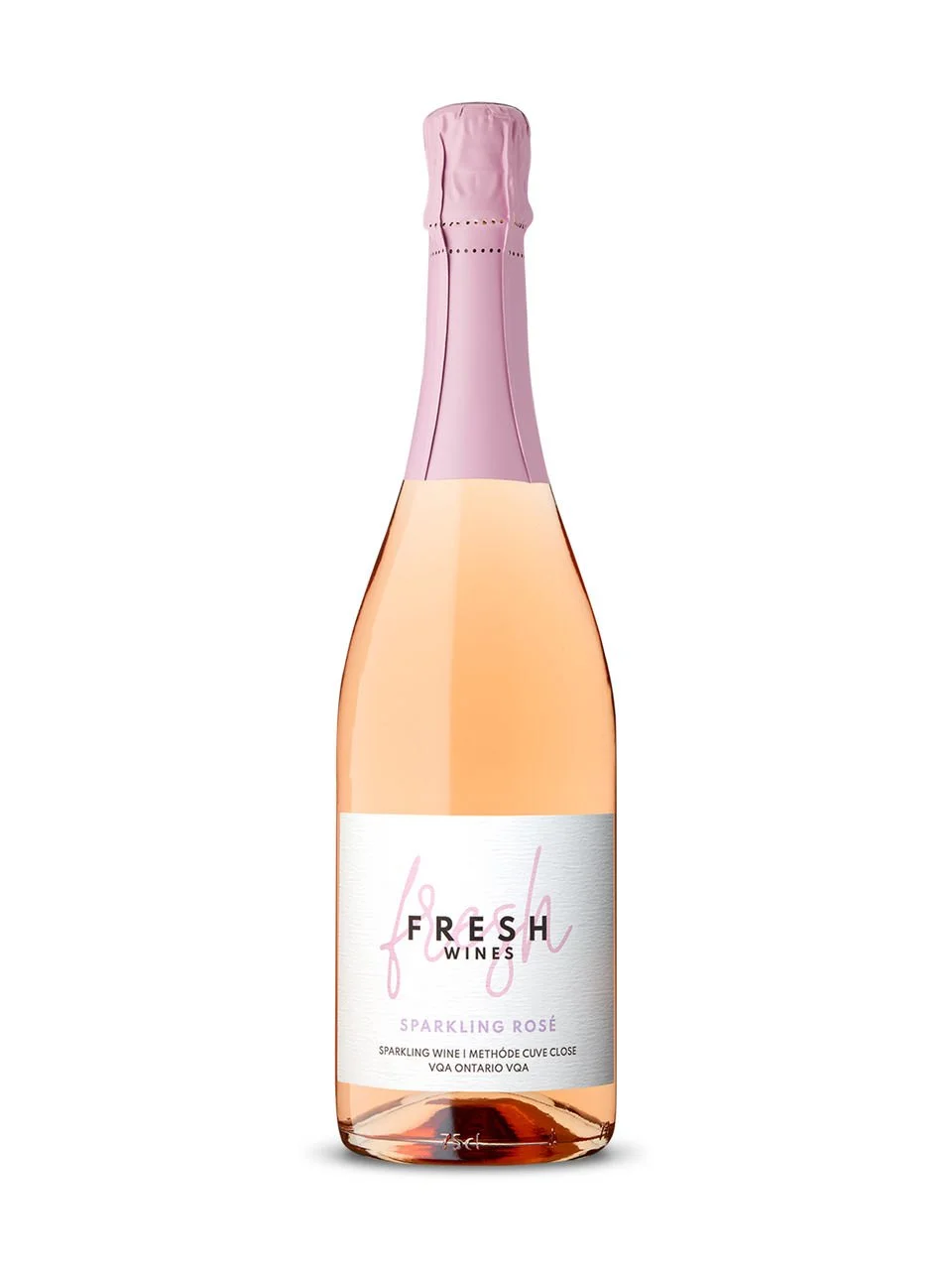
Sparkling Rosé
04
Brazil is fast becoming a leader in sparkling wine. With a vibrancy of prosécco with the same downy texture as champagne did they master the best of both worlds?
Style: Delicately Fruity
See:light pink
Tasting Notes: Aromas of papaya, strawberry, with a citric touch. The taste is young and creamy,
Pair: Moroccan couscous and chicken
Try: Amaze Sparkling Wine
Provence Rosé
05
Style: Light and DrySee: Light PinkTasting Notes: give it aromas of strawberry, fresh-cut watermelon, and Rosé petal, finishing with a distinctive, salty minerality on the palate.
Pair: juicy burger makes a perfect partner
Try: Terres De Saint Louis Rosé Varois En Provence AOC
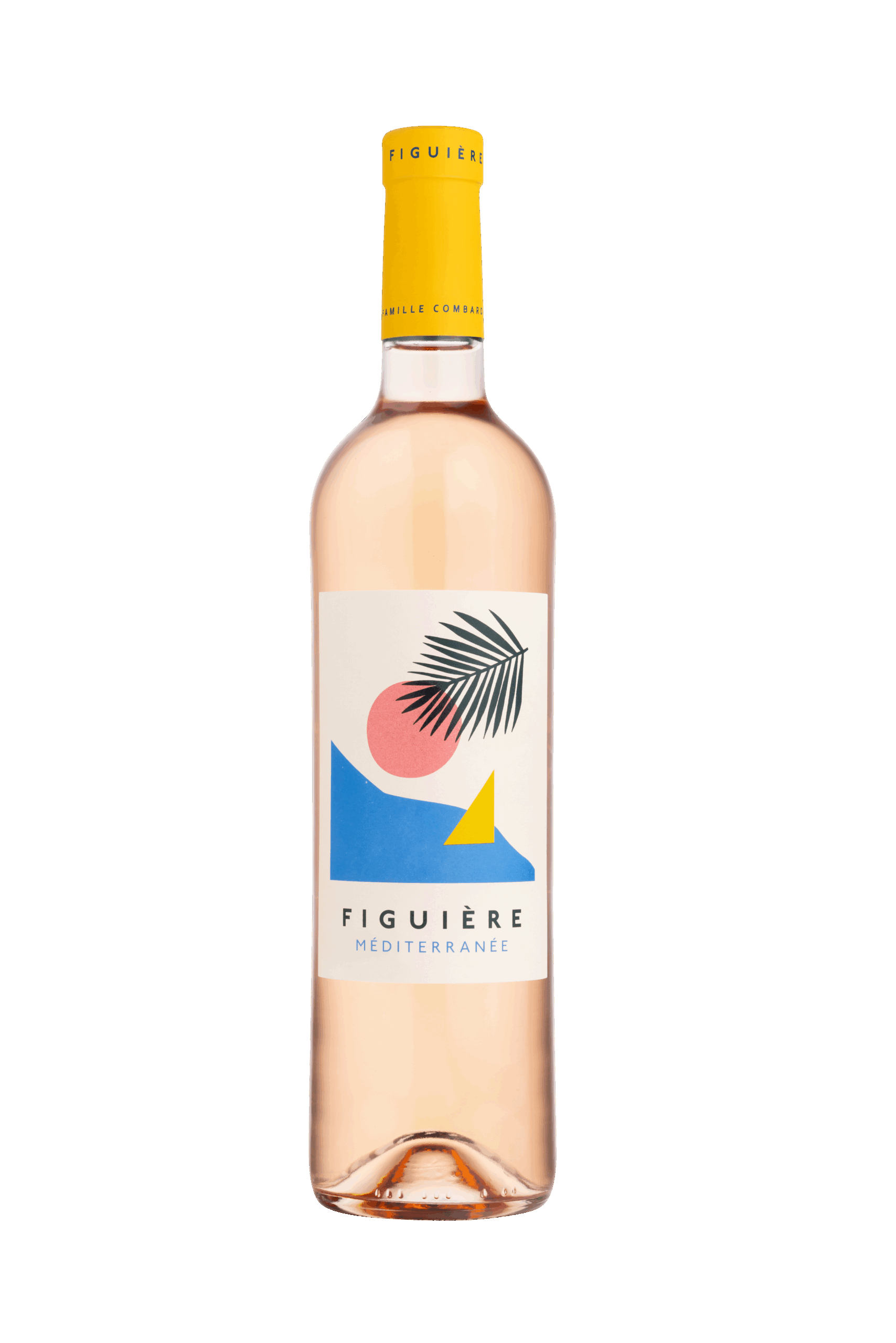
Mediterranee Rosé
06
Style: light
See: salmon-pink
Tasting Notes: Aromas and flavours of peach, orange skin and white flowers and salty minerality
Pair: crudités and anchovy sauce, marinated red bell peppers and sea bass with lemon and peppercorn.
Try: Sous La Mer Mediterranee Rosé IGP
NEW World
07
In the last few years we have seen a huge increase in the number and quality of Rosé.Part of this increase has been created by the extraordinary growth of this wine style in New World Regions (outside of Europe). The principle varieties are Syrah, Pinot Noir and Merlot, but really any red grape variety can be used. In New Zealand we are also seeing a small addition of Pinot Gris to the blend.
Try: A Rosé from a region and varietal you love e.g. Australian Rosé made with Shiraz