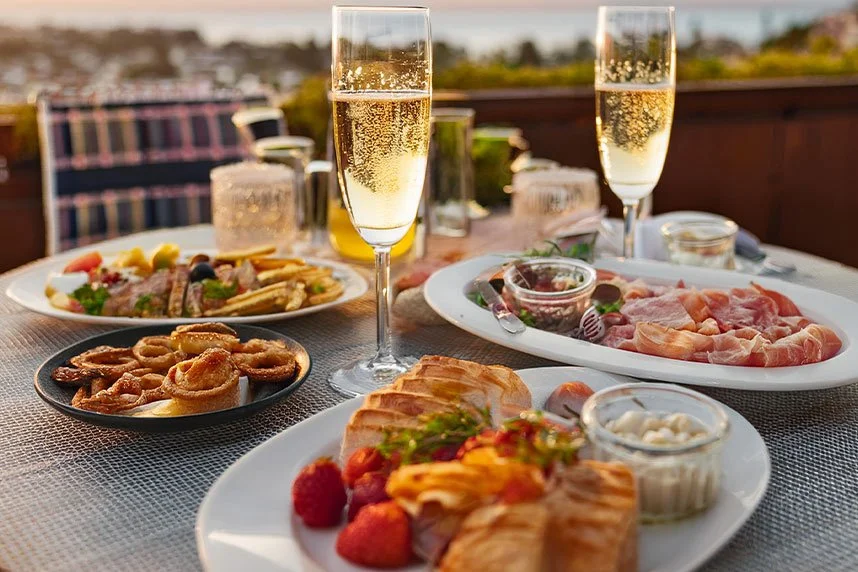

How sparkling wines are made?
Who doesn’t love some bubbly! Sparkling wine is a marker of celebration, it instantly infuses luxury into life and usually ushers in plenty or laughter and fun. But how does sparkling wine get it’s bubble? There are a few ways and each process results in different styles of sparkling wine.
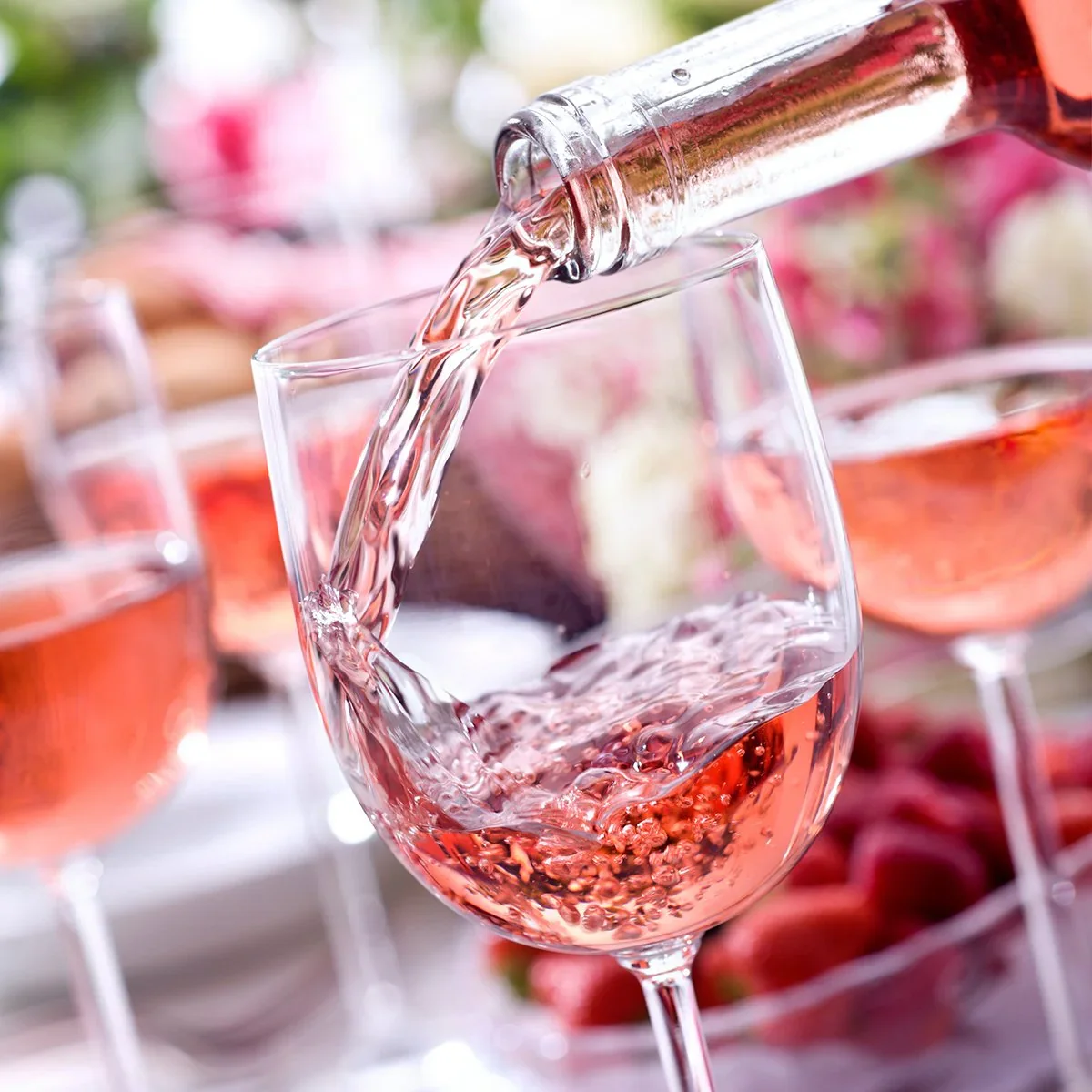
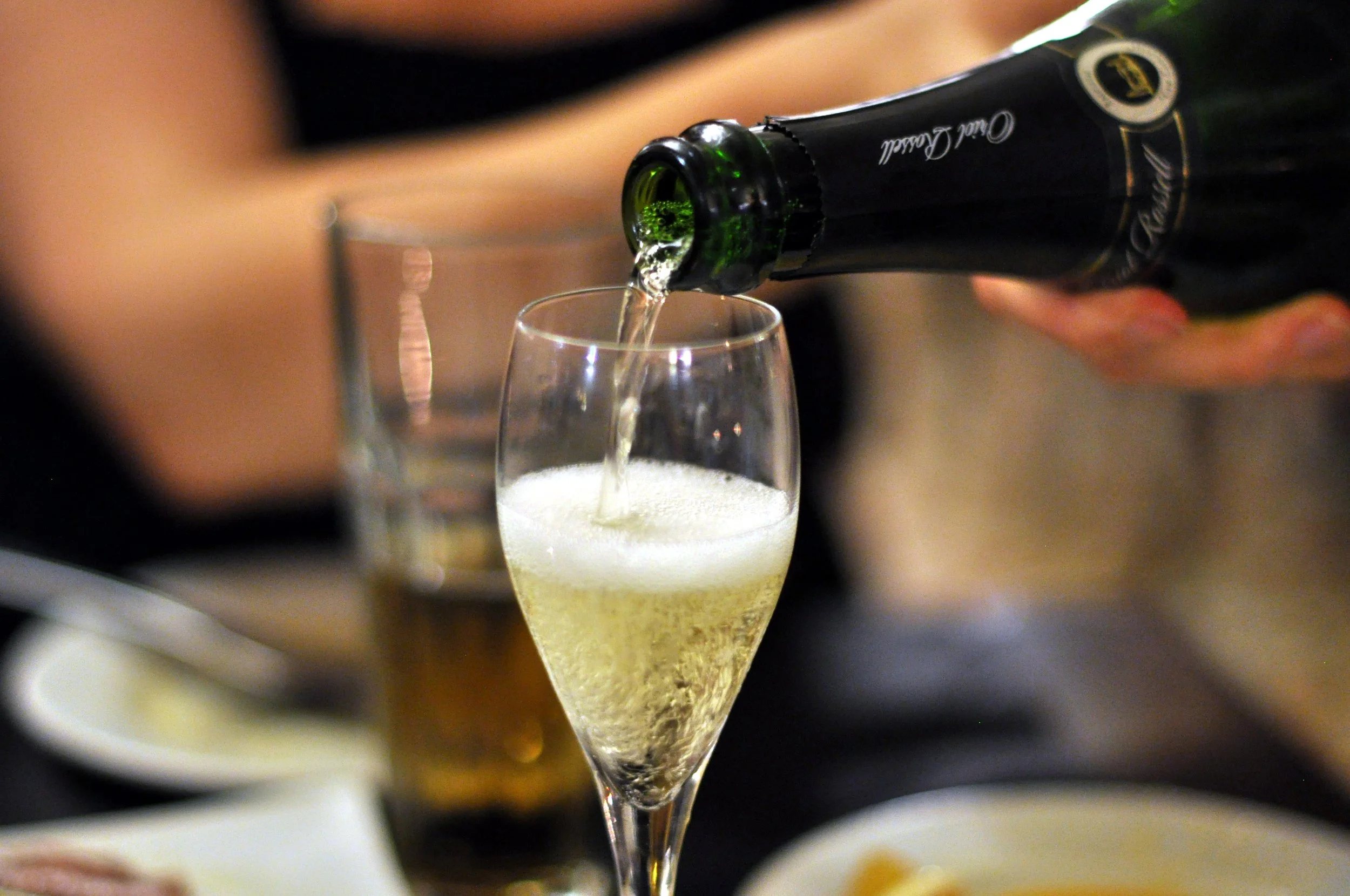
By adding a mixture of yeast, sugar, and wine called the liqueur de tirage in a closed environment, still wines become effervescent. The release of carbon dioxide in this process has nowhere to go but into the wine, making it bubbly. There are two things that distinguish the different types of sparkling wine; first, is where this secondary fermentation takes place and second, how long the wine is aged with the dead yeast cells, called lees.
These are the six widely used ways to make sparkling wine:
Champagne aka The traditional method
The Champagne method is called the Traditional method once the sparkling wine is made outside of Champagne the region. It is viewed as the most complex, highest-quality, time and labour intensive process and thus can command a greater price tag. The traditional method requires a secondary fermentation to take place inside the bottle in which the wine will be sold. Liqueur de tirage is added to the base wine and the bottle is temporarily capped. Once the yeast have died they become lees; and remain in contact with the wine until the maker removes it. This lees contact creates texture, richness and complexity in the wine. The wines then go through the process of riddling where the bottle is inverted to allow the lees (sediments) to sit in the neck of the bottle and to be frozen. Once the temporary cap is removed the pressure pushes the sediments out and a mixture of wine and sugar called dosage is added and finally corked. Outside of Champagne other sparkling wines that uses the traditional fermentation process are; Cava, Franciacorta and Crémant
2. Charmat Method a.k.a Tank Method
The second fermentation is a lesser involved process. Rather than fermenting in each bottle the liqueur de tirage is added to a pressurized tank. Once the yeast dies or the winemaker decides to stop the winemaking process by cooling the tank. The wine is then filtered and bottled without further lees contact. Resulting in clean fruit aromatics and an easy drink. The most beloved Charmat method sparkling wine is prosecco.
3. Transfer method
This method is a hybrid of the traditional and tank method. These sparkling wines begin just like traditional-method sparklers, with secondary fermentation taking place inside a bottle. Then, the wines are emptied into a pressurized tank, their sediment filtered off, and packaged into new bottles. This allows a sparkling wine to gain the benefits of lees-aging without the expense or time of riddling and disgorgement. The transfer method is commonly used for unusual sizes of bubbly that would otherwise be made in the traditional method.
4. Continuous Method
While not common outside of German Sekt the continuous method is similar to the tank method, though a bit more complex. The liqueur de tirage is continuously added to base wine that is pumped through a series of pressurized tanks, some of which contain oak shavings or chips. Lees accumulate on these wood shavings, enhancing toasty, yeasty flavors while also helping clarify the finished sparkling wine.
5. Carbonation
As the name suggests this method involves carbonating a still wine by adding carbon dioxide similar to soda.
6. Ancestral method
The oldest sparkling wine method has been receiving a resurgence in popularity. There is no second fermentation in the ancestral process; rather, a fermenting wine is transferred from tank to bottle before the first fermentation is complete, where it finishes fermenting under cork or, more commonly, cap. Some disgorge and rebottle ancestral-method sparkling wines after fermentation is complete, but many today elect not to, resulting in a cloudy, earthy, textured wine. The most popular is pétillant-naturel, or pét-nat.
How to make an epic Charcuterie and Cheese board that pairs well with Sparkling Wine!
Top types of sparkling to wines to try and pairing with your charcuterie board
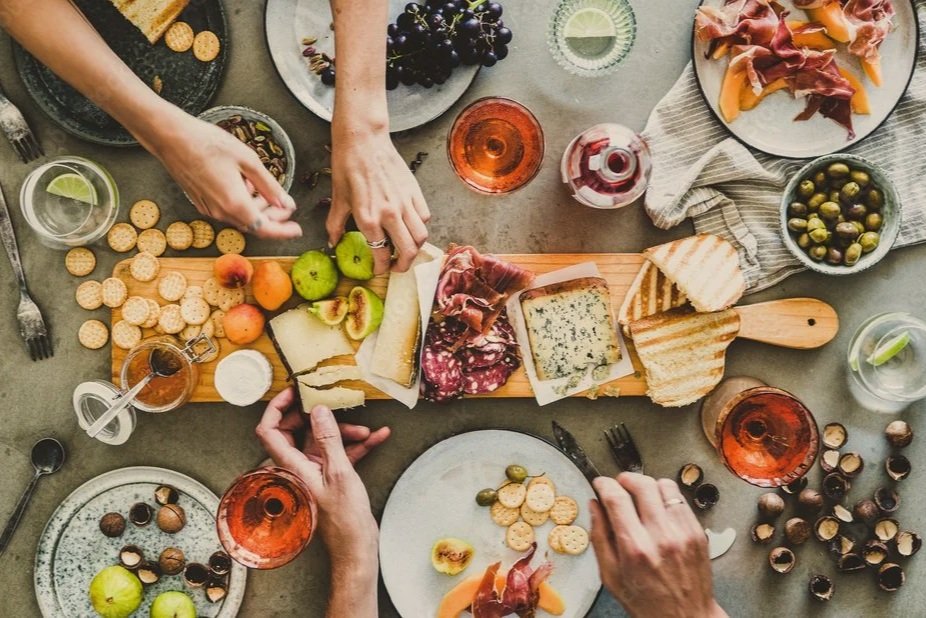
Sparkling wine is not just for celebration it is also a serious food wine and can make some mouth watering pairings. Here are some classic pairings and surprise tastes.
Champagne
These wines have the perfect balance of dryness, bubbles, and fruity cream to enrich any dining experience. Here are some great things to try with your champagne:
Triple cream (Brie-style) cheese or sweet bread and mascarpone cheese
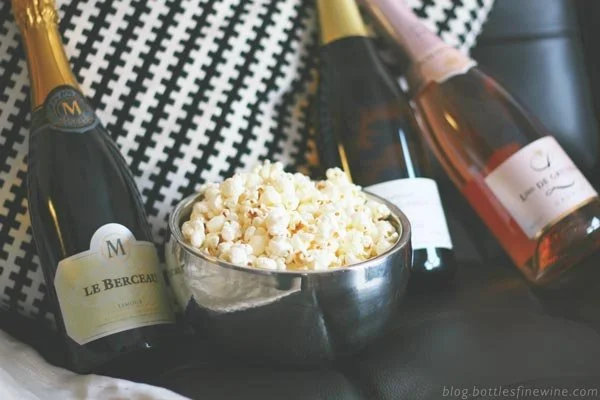
Buttercream sauce or even buttered popcorn
Salami, veggies, stuffed mushrooms, egg dishes, foie gras
Fruit-based desserts such as tarts, crepes, and any buttered or honeyed dessert
Shortbread cookies are a really fun (and surprising) pairing combo because the acidity in Champagne cuts through the rich butter of the cookie.
Sparkling Rosé
Rosé wines are one of the most versatile sparkling wines for food pairings. rosé sparkling tends to have a dry palate that lends perfectly to sweeter food pairings.
Brie and prosciutto are fantastic with a nice rosé and they're even better when combined
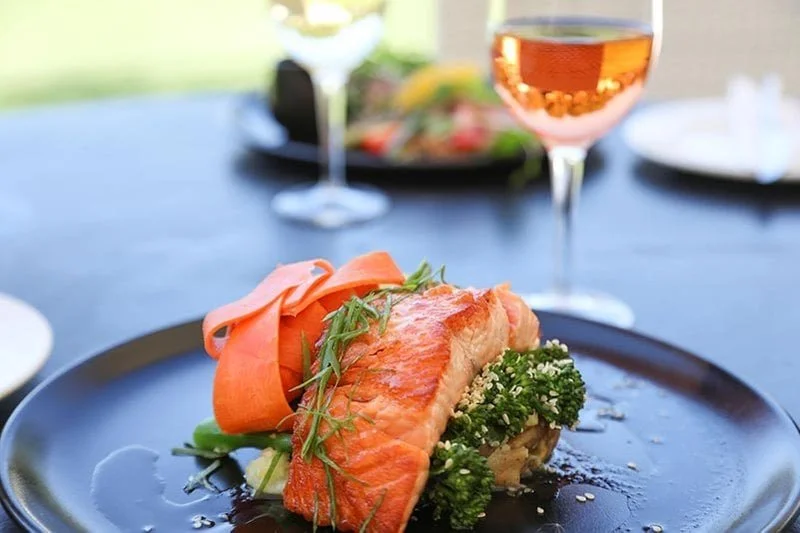
Smoked salmon is one of the best fish dishes for rosé wines.
Chocolate and raspberries, or (better yet) chocolate-covered berries.
Spanish Cava
Spain's bright bubbly is a fantastic choice for savory pairings and light meals. You will find that a good Cava is a perfect wine to serve alongside tapas as well as sushi courses. For your charcuterie if serving Cava make sure your board has the following:
Manchego cheese, olives, and almonds
Potato chips (seriously)
Prosciutto or Serrano ham
Italy's Favorite Sparkling
Italy is known for two sparkling wines: Moscato d'Asti which is sweeter and Prosecco which tends to be dry. This gives you options and both styles are pleasantly affordable.
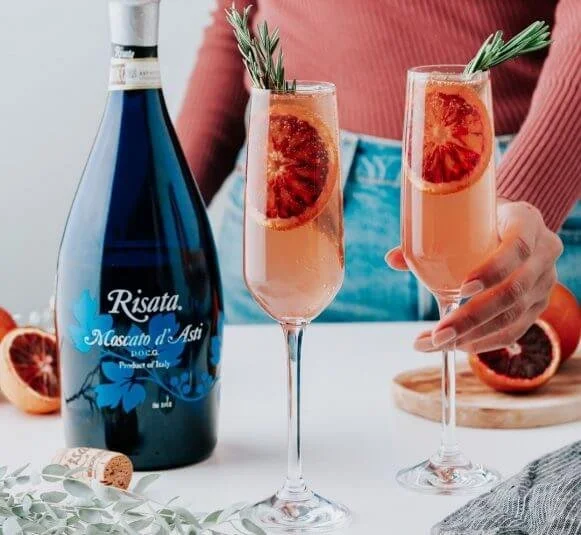
Moscato d'Asti has a great perfume and light body with an extraordinary array of fruits. These characteristics allow the Italian wine to pair perfectly with delicious desserts.
Toasted almonds
Cheesecake
Raspberries
Gingersnaps and lemon sugar cookies
Lemon meringue, fruit sorbet, and peach cobbler
Prosecco
Prosecco has a much drier profile though it does not lose the fruitiness and it often has notes of apple, pear, and apricot. This helps the wine pair with a great variety of main courses which includes
Asparagus, Shrimp cocktail, honey-themed meals, Asian fare and sushi.
For your charcuterie make sure to add:
Almonds and antipasto
Smoked salmon