

5 things to know about wines from Chile to help you enjoy Chilean wines more!
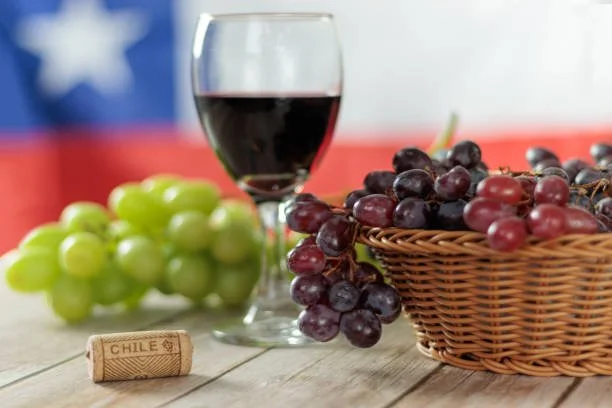
A secluded powerhouse, Chile ranks sixth amongst wine producing countries. What is fascinating about this country is its near seclusion. Nestled in nature’s wonders; to the west is the Pacific Ocean, to the east the Andes Mountains, to the north the Atacama Desert and to the south 400 miles of Antarctic ice.
Beyond its natural wonders Chile has become synonymous with its exceptional value. Because of Chile’s isolation, there are very few vine disease and pests, eliminating the need for chemical treatment. With great growing conditions and “reasonable” labour cost Chile is able to make wines at a great cost. Chilean wine often outperforms the price point making it high value.
While price is one indicator of great value, there are other ways to evaluate if a bottle of wine is good . And surprisingly can also evaluate if life is good.
Here are five reasons to drink and invest in more Chilean wines.
Dynamic Climate
Did you know Chile spans three continents (South America, Oceania, and Antarctica), with 2,700 miles of coastline and 110 miles wide east to west. Chile has a rare mediterranean climate. A rare terrestrial environment which makes up just over 2% of the earth’s ecosystems. Wine valleys are aligned from north to south (27 to 41 degrees latitude) and the terrain varies more from east to west with many of the geographical influences for grape production are influenced by its narrow width of only 100 miles wide.
2. Chile has a very high proportion of sustainable vineyards
83% of wine exported from Chile is sustainably made and the ‘Certified Sustainable’ logo is a voluntary tool that looks to incorporate practices based on high social, environmental and quality standards in vinicultural companies. Look for it on your labels.
3.Chile has the largest concentration of ungrafted vines on earth
Geographic Isolation and strict entry laws help to maintain healthy conditions and protect vineyards against pests and disease. If you’re a wine geek, this is a very cool fact! This makes Chile a natural place for sustainable winegrowing for premium wine grapes!
4. Get to know Chile’s signature red grape - Carmenere
Held to high importance, arguably Chile’s most valued grape is the Carmenere. A case of mistaken identity saved this grape from extinction. It was thought to be Merlot but further studies revealed it was Carmenere. A light-bodied wine, with juicy plum and black cherry coupled with unique savoury flavours of black pepper and baking spice.
5. Chile’s DO
Chile has 5 major Denominacion de Origin (DOs) From North to South they are: Atacama, Coquimbo, Aconcagua, the Valle Central and Southern Regions. For ease of shopping and keeping in mind the climate's impact on wine. The northernmost DOs of Atacama and Coquimbo are desertlike; the DO Southern Regions is the coldest. But the most coveted wine comes from the DOs in the middle Aconcagua (ah-kon-KAH- gwa) and the Valle Central.
Chilean Wine Regions

How to Start your wine collection
There is no one size fits all to collecting wines and an understanding of your wine-consumption habits and preferences will save you money and time, and ultimately reward you with a collection that is perfectly tailored to you.
The Approach you take will likely fall into about 3 categories. Note that you may start with one approach and then move on to the next.
A mixed approach
A current cellar
A long term cellar
Mixed approach
A great way to avoid the dreaded so much wine and nothing to drink.
It's quite possible to have a cellar full of wine yet little to drink, either because the contents consist of newly acquired wines that require prolonged bottle ageing or because the selection is too expensive and are not suitable for everyday dining. Raise your hand if you’ve ever made fun of your grandparents for owning expensive china they refused to use. No wine collector wants to be in this situation. Especially when starting out a mixed cellar is the best way to start.
A Current Cellar
A cellar that is curated to meet your current desires and are at their peak drinkability. Try to find older vintages of wines you would generally purchase young. You can also buy mature wines directly from producers but expect to pay a bit more. To layer some value into this approach and accounting for the fact that you won’t be able to drink everything at once, shop for comparative tasting. For example vertical tasting (one producer over multiple vintages), Horizontal tasting (one wine type across multiple producers) or hierarchical tasting (select a producer and try their wines at different price points)
Long Term Cellar
Once you have enough wines to meet your daily, weekly or monthly needs you can really think about purchasing to hold. While this is different from investing in wine (see FAQ on wine investing) the approach is similar. You are seeking out wines that have the potential to age. Wines such as Bordeaux, Super Tuscans, Cabernet Sauvignon from California and red blends from Chile.
You can start your wine collection at any price point with as little as $100.
By using this percentage model that can be applied to any budget amount.
A mixed approach
White wine-15%
Young everyday red- 20%
Mature red - 25%
Prestige Wines -40
Tips to Store Wine
Expensive wine coolers aren’t always necessary, especially for beginner collectors. a wine rack in a dark, cool place, like a closet that stays between 65–70°F.
Below are some quick tips to keeping your wine well.
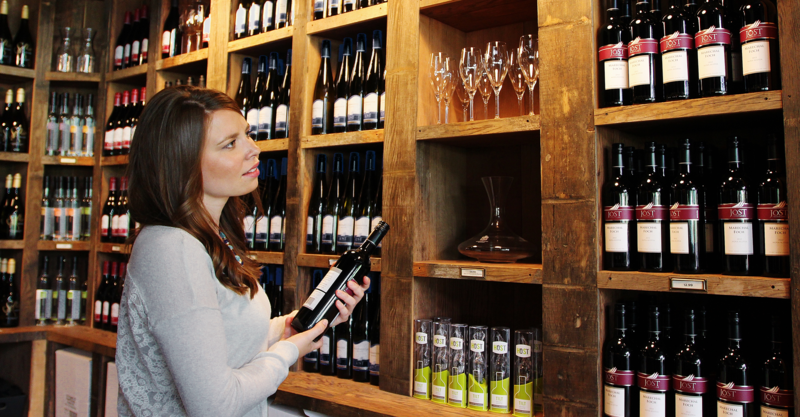
Keep Away from Sunlight
If wine is exposed to sunlight, the amino acids can oxidize and change the flavor. White wine is especially vulnerable to sunlight since most wineries bottle it in clear glass. Try your closet.
2. Use the Closet
Favorite place to keep wine safe from heat and light is the closet. Likely the most temperature-stable place in your apartment, plus the closet door is basically a built-in light reducer. Keep bottles away from exterior walls to avoid vibration.
3. after opening
White wine and rosé can last about five to seven days in the fridge. Red wine should last about three to five days if you store it in a cool, dark place.
4. Avoid odors
You may be surprised to learn that wine can actually absorb strong odors. If wine is exposed to things like onions or even the trash can in your kitchen, those odors can permeate the cork and get into the wine over time.
5. get a rack
Store wine bottles with corks on their side instead of upright. This will slow down the oxidation process and keep the cork moist, so it doesn’t rot or fall apart.