

6 Obscure wines to Seek and Find

What makes a wine obscure?
Fresh off our love letter to Chardonnay and our appreciation for Cabernet structure, in the past Vines Play club themes, It is time to go beyond the wines we know and seek out something new. Many wines we consider to be new or trendy are actually cherished expressions of ancient wine cultures, attempting to go global after centuries of reaching no farther from their native vineyards and nearest cities. Sourcing these wines can be very difficult however knowing what to seek is half the battle.
A wine can be difficult to source because of quantity, there is simply not enough of that variety made in order to quench the global market thirst. Another factor is the perceived value, the higher the perceived value the harder it is to source a wine and frankly the more expensive it will be. One of the things that impact both quantity and perceived value is location. Countries and regions that either produce smaller quantities or have high designation i.e. prestige usually craft wines that are harder to source.
Best way to source hard to get wines
If you have a case of wanting the wines you can’t have (see what I did there), here are a few ways to get your hands on some obscure beauty.
Bring back wines from your travels. You can bring up to 1.5 litres of wine (approx 2 bottles). A trip can alter your perception of a wine i.e. you can love a wine in Rioja and not love it as much when home. Taking a bottle home is a great way to see if you truly love a wine before spending on direct import.
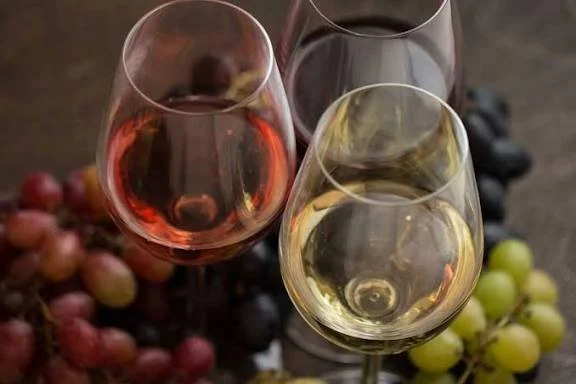
Here is the ultimate guide to obscure wines to try today!
Aligote. A white grape grown in Burgundy that is constantly overshadowed by the local favorites, chardonnay and pinot noir. Makes great sparkling wine and table wine, and is actually the true base ofthe drink called Kir (white wine with creme de cassis).
Silvaner. A white grape that thrives in Germany, Alsace and northern Italy. Dry, crisp and refreshing and an excellent food wine all around.
Mencía. The leading red grape of northwestern Spain, makes wonderful red wines in the regions of Bierzo and Ribeira Sacra. Its haunting, wild fruit flavors are on full display, both in the denser, burlier wines of Bierzo and the lighter, more minerally wines of Ribeira Sacra.
Furmint. The great white grape of Hungary, is the key constituent in the lusciously sweet wines of Tokaji Aszu. But increasingly it is used to make distinctive dry whites that can dazzle with their panoramic fruit flavors, a little like a restrained combination of Chardonnay and Viognier. Top producers include Royal Tokaji, Kiralyudvar, Oremus, and Disznoko.
Tsinandali. An appellation-controlled dry white wine -Tsinandali is made from Rkatsiteli and Kakhuri Mtsvane grape varieties grown in the controlled Tsinandali micro-zone. The wine is characterized by aromas and flavors of rich yellow fruits and citrus.
Monastrell. A deeply bold, smoky red wine found in Central Spain and Southern France (where it’s known as Mourvèdre). Monastrell is the “M” in the Rhône / GSM blend.
Countries with Unique Sip
Madagascar
French monks took vines to the African island of Madagascar at the end of the 19th century. Due to the tropical conditions, only the southern highland area between Antsirabe and Fianarantsoa is suitable for grapes. Look out for Grand Cru d’Antsirabe NV, produced by Chan Fao Tong Wines using French-American hybrid grapes.
Ethiopia
Vines have been grown in this ancient land for centuries. In the modern era, Awash winery – established by Italian and Greek families in the 1940s – is the oldest. 2013 saw a major investment and involvement from the likes of Sir Bob Geldof. French drinks giant Castel is another producer that has begun making wine in the country, with vines brought from Bordeaux. The US is the largest export market for Ethiopian wines, where there is a large diaspora.
India
There are a handful of dedicated winemakers in India, with Sula vineyards being the biggest. In 2014 the winery began a partnership with UK supermarket Marks & Spencer to launch their ‘Jewel of Nasik’ range of sauvignon blanc, zinfandel rosé and tempranillo-shiraz. The aim was to create wines that would compliment Indian dishes and ingredients. Fratelli and Grover Zampa Vineyards are other notable producers.
Thailand
There are six wine producers in Thailand, the largest of which is Siam Winery. The sparkling Brut Blanc de Blanc, Cuvée de Siam (red and white) and Chenin Blanc (white) are particularly of note and regularly win awards. If a trip to Thailand isn’t possible, Monsoon’s wines are readily available in many of London’s Thai restaurants.
Kenya
Established in the 1990s, Leleshwa wines are grown only a mile from the equator, but at a height of 2,000m (6,560 ft.), in the Rift Valley. The market is currently domestic hotels and safari lodges, with some international exports.
Mexico
This is a region with 500 years of winemaking history so it’s hard to refer to it as “emerging". The first grapes were planted in Baja California, now the country’s predominant wine region and well known. But there are so many other regions to visit. Plan your trip to include; Coahuila, Querétaro, Aguascalientes, Zacatecas, San Luis Potosí, Chihuahua and Guanajuato.
Morocco
After a decline in wine production over the years, interventions by King Hassan II coupled with foreign investment has seen Moroccan-wine production increase once again. Most of the wineries are in Meknes. The next most significant region is around the Rabat/Casablanca metropolitan area. 75% of Moroccan wine production uses red grapes which include Carignan, Cinsaut, Alicante, and Grenache.
Japan
Wineries began popping up all over Japan, with the major production areas being Yamanashi, Hokkaido, Nagano andYamagata. There are over 300 wineries in Japan today. Cultivation methods vary among each of these vastly differentclimates.
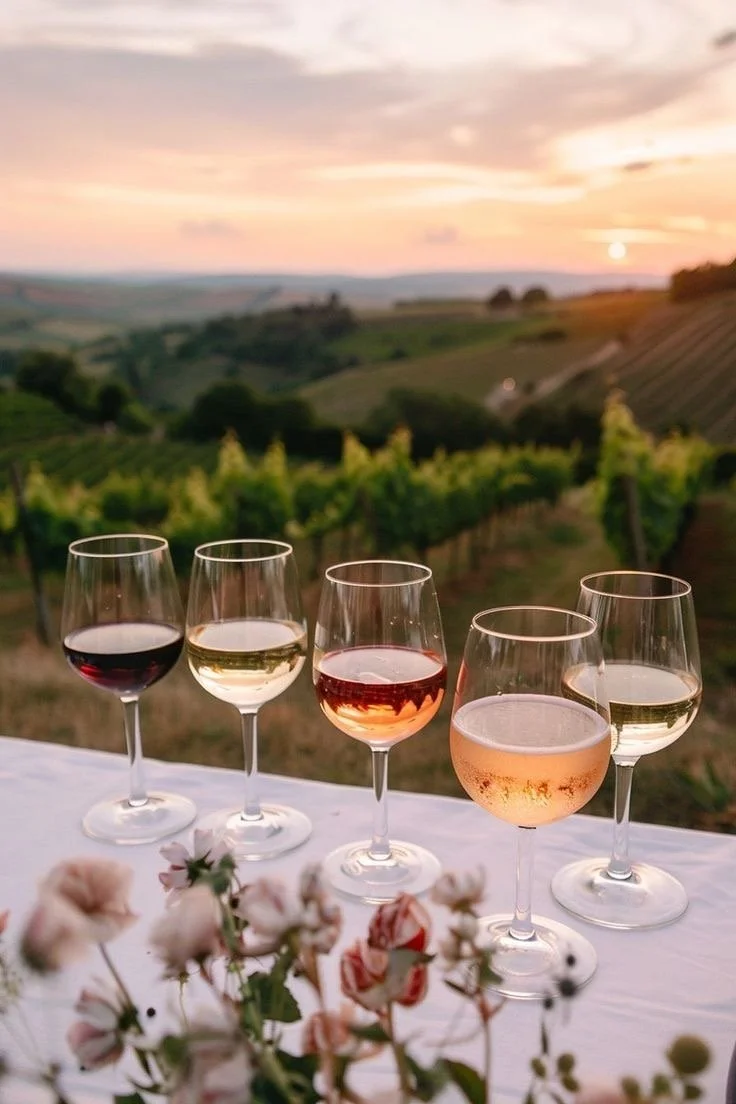
An easy transition!
Swap what you know for something new!
If you like Pinot Noir, try Gamay.
Pinot Noir is one of the most universally liked wines because it's easy to drink, light-bodied, and it pairs with lots ofdifferent foods. Gamay, a grape from Burgundy's Beaujolais region, is the perfect alternative. In fact, Gamay is often considered a cousin to Pinot Noir
If you like Merlot, try Nerello Mascalese
Nerello Mascalese, a red wine grape native to Sicily, is a people-pleasing grape. It is elegant and easy to drink, but it is a bit more structured and heartier than a Pinot Noir. Like Merlot, it has both acidity and tannins. Look for wines labeled "Etna Rosso," which is a Sicilian region where the wines are made of Nerello Mascalese.
If you like Cabernet Sauvignon, try Touriga Nacional
Touriga Nacional is a variety of red wine grape, considered by many to be Portugal's finest. Like Cabernet Sauvignon, Touriga Nacional really sizes up its bold tannin. When you taste this wine, expect palate-coating and tooth-staining richness of blueberry, plum, blackberry, bittersweet cocoa and often a subtle stimulating flavor of mint and violet.