A guide to Portuguese Wine
Region
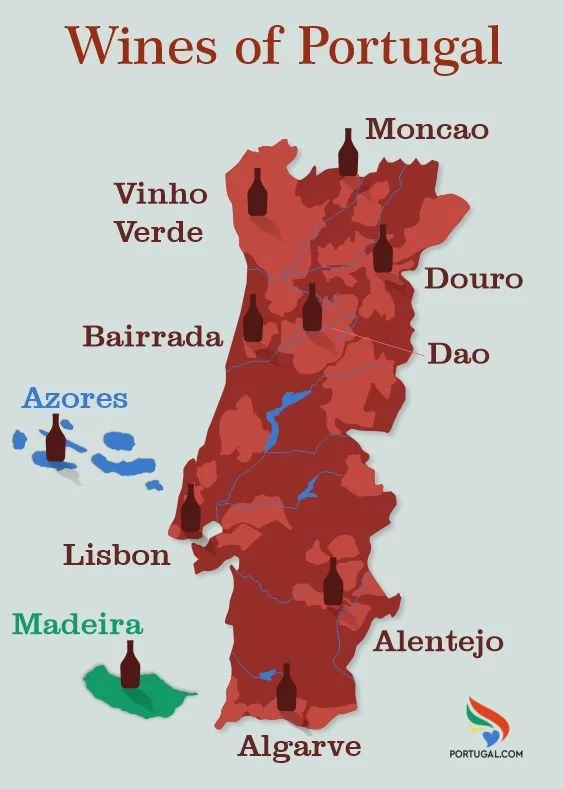
There are ten main wine growing regions in Portugal with each showing great diversity in varieties. Learn about what to expect from each region.
Douro Valley
Douro Valley is the oldest demarcated wine region in the world. That means it’s not the earliest place wine grapes have been grown, but rather the earliest recognized and documented region to do so. It’s now designated a UNESCO World Heritage Site, and cultivation of wine here dates back to the Roman’s.
Wines:
Port: Fortified sweet wines. Specifically LBV Port, Tawny Port, and Vintage Port wines
White Port and Pink Port: Beyond the red Port, there are also Port wines made with the rare white wine varieties in the region. Rosé Port is relatively new
Tinto Douro: Full-bodied red wines. We’ve talked about Douro Reds before, but the same red grapes of Port wine happen to make outstanding full-bodied, tannic, age-worthy red wines.
Douro Branco: Light-bodied white wines. Douro Branco are crisp, minerally white wines with minimal fruity flavors, subtle flinty notes and salinity, and high acidity.
Vinho Verde
Vinho Verde is a well-known DOC in the Minho region of northwest Portugal. The wines here express freshness and green aroma that even applies to the red.
Wines:
Branco Vinho Verde: Light body wines with a slight spritz and plenary of lemonade,melon and gooseberry aromas. The chalky texture gives makes this varietal a unique experience.
Rosado Vinho Verde: Rose with high acidity and lemonade flavours. Primarily from the southern part of Minho in the sub-regions of Amarante and Paiva.
Alentejo
The Alentejo region is described as very similar to California characterized by rolling hills of wheat, even hot temperatures, and tons of sun. Known for progressive wine making; full-bodied white wines similar to chardonnay and red with refined tanning and mocha flavours.
Wines:
Tinto Alentejo: Full-bodied red wines that are typically blends made with Tempranillo
Branco Alentejo: Light-bodied and Full-bodied white wines
Alentejano (IGP/Vinho Regional): Non-indigenous grape varieties such as Viognier and Syrah are growing in popularity here.
Lisboa
One of the most diverse regions in Portugal. You can find both great quality wines in Lisboa and affordable prices (around $10) for everyday drinking.
Wines:
Alenquer: Concentrated, high tannin red wines made with Castelão, Alfrocheiro, Aragonês (Tempranillo) and Touriga Nacional
Bucelas: Light-bodied, citrus, and beeswax-driven, age-worthy white wines made with Arinto. Typically very fine with 4+ years of age.
Arruda: Full-bodied red wines that often include international grape varieties like Cabernet Sauvignon and Syrah
Colares: A rare find. Golden colored, full-bodied white wines in an oxidative style made with Malvasia Fina (grown on the beach cliffs)
Óbidos and Lourinhã: Light-bodied aromatic white wines particularly with Fernão Pires
Torres Vedras: Simple, low-alcohol refreshing white wines.
Dao
Pinpointed as the place for quality Wines from the Dão are lighter in style than in the Douro but have shown to age very well because of the tannin and acidity
Wines:
Dão Alfrocheiro: Medium-bodied red wine with red berry flavors, licorice, and spice notes
Dão Jaen (a.k.a. Mencía): Full-bodied red wine. Raspberry and black cherry flavors with moderately high acidity and mouth-drying tannin.
Dão Touriga Nacional: Full-bodied red wine. Deep black fruit flavors with chocolate and mocha with refined tannins and medium-plus acidity
Terras do Dão and Terras de Lafões: The Vinho Regional wines of the Dão with more experimentation and blends that include international varieties (Indi blends)
Tejo
Tejo plants a number of grapes from Alvarinho (grape from Vinho Verde) to the full-bodied Alicante Bouschet. Wines from this region are mostly under $15
Wines:
Red “Indi” Blends: Look into blends with Cabernet Sauvignon, Syrah, Touriga Nacional, Trincadeira and Castalão
White “Indi” Blends: Look into blends with Fernão Pires (an aromatic white wine), Arinto, Sauvignon Blanc and Chardonnay
Beira Atlântico (Bairrada)
Known for its red grape Baga, aromatic pink sparkling wines and light -bodied red wines similar to Pinot Noir. This is a region to watch.
Wines:
Tinto Bairrada: Made from Baga expecting dense, tar -like, high acid reds to delicate, red fruit-driven wines with finely textured tannins and the ability to age.
Branco Bairrada: Made from the aromatic Fernão Pires, Bical and Arinto
Sparkling “Brut” Bairrada: Delicious beeswax-driven sparkling wines made with early picked Baga, Fernão Pires, and others.
Beira Interior
The most mountainous region in Portugal (it snows!) With a shorter growing season (but still very hot), you’ll find reds to have red-fruit driven flavors with herbaceous, smoky notes and a juicy finish, and white wines tend to be lean with chalky minerality.
Wines:
Tinto Beira: Red fruit-driven wines of Murufo, Bastardo, Alfrocheiro, Trincadeira, and Touriga Nacional
Branco Beira: Lean, chalky white wines of Síria, Arinto, Malvasia
Algarve
Naturally, as a hot and sunbaked region, the wines aren’t designed to age, but there is hope in particular for red wines with Alicante Bouschet, Syrah, and Aragonês (Tempranillo). These drought-climate varieties still manage to have juicy acidity and create more smoky-sweet, dusty notes on the finish somewhat reminiscent to South Australia.
Make Your Own
SARDINE TOAST
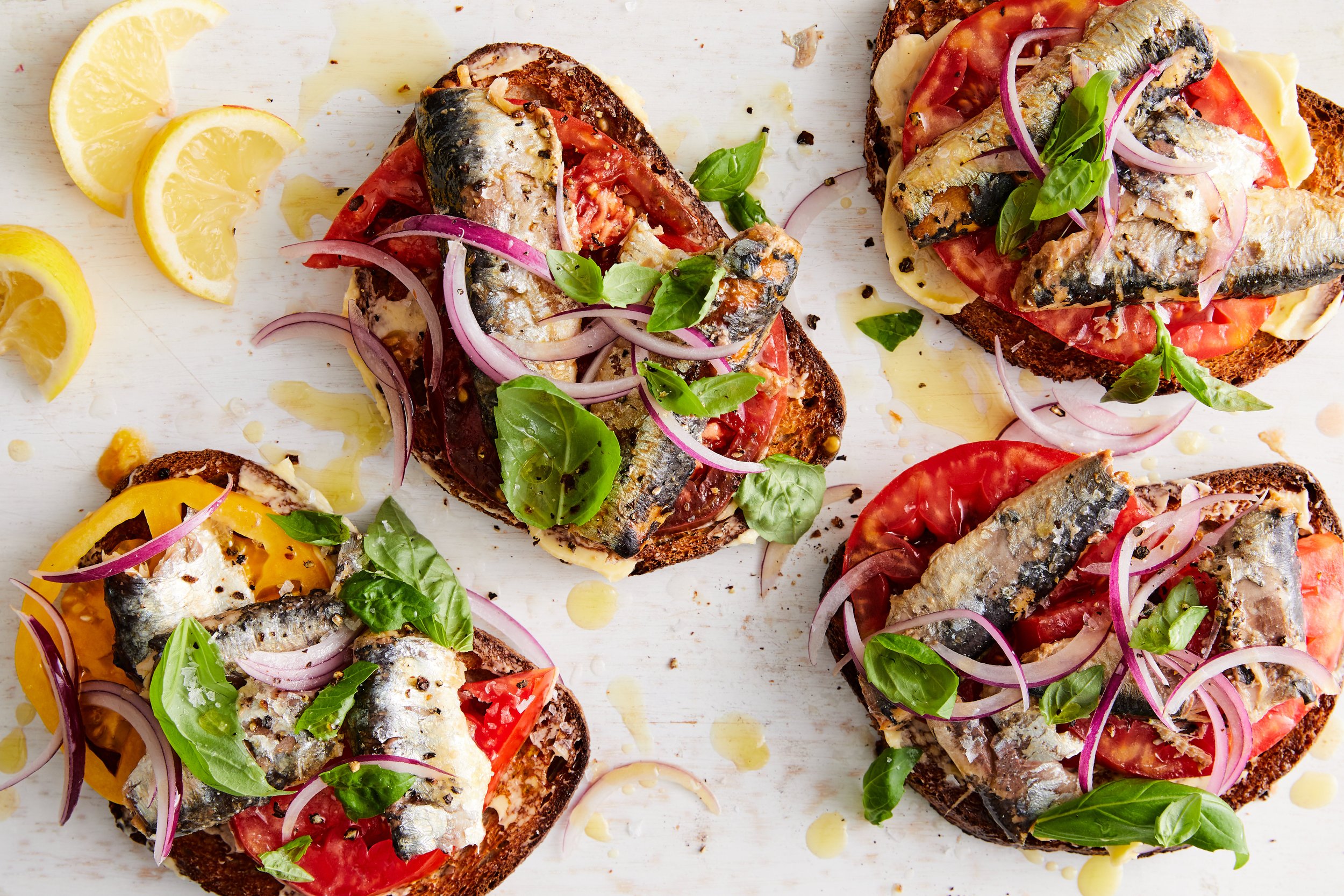
A classic pantry meal, sardine toasts are just the thing to eat when you’re starving and there’s nothing in the house for dinner. If you don’t have tomatoes, just leave them out. With their saline flavor and buttery texture, all sardines need is some good bread and a little crunchy onion to set them off.
INGREDIENTS
4 thick slices crusty sourdough bread
1 garlic clove, halved
Softened butter, as needed
1 large ripe tomato, thinly sliced
1 can sardines (6 to 7 ounces), deboned if you like
¼ small sweet or red onion, thinly sliced
Extra-virgin olive oil, for drizzling
Fresh lemon juice, to taste
Flaky sea salt
Coarsely ground black pepper
Fresh basil leaves, torn (optional)
PREPARATION
Toast the bread under a broiler (on both sides) or in the toaster.
While the toast is still warm, immediately rub it (aggressively!) with the cut side of the garlic clove, then spread toast generously with butter. Top butter with tomato slices and lightly salt them.
Top tomatoes with sardines and then onion slices. Drizzle with olive oil and lemon juice, then season with more salt and pepper. Garnish with basil if you like and serve immediately.
Experience Portugal in Toronto
Follow this guide. to explore, learn and shop all things Portugal without leaving Toronto. Not in the city? See how you can replicate this experience in your town.

SHOP-SAUDADE
A shop in Little Portugal, Toronto, celebrating Portuguese design and artisanal traditions. A project of passion that showcases the amazing creations, both traditional and innovative of Portugal.
SAUDADE TORONTO - LITTLE PORTUGAL LOCATION
1191 Dundas Street West, Toronto, ON M6J 1X3

2. Art
Art on the go -The street art of Little Portugal isn’t all about Portugal. Far from it. From the colourful murals that cover entire buildings thanks to local BIA support to alleyways painted with political graffiti by street artists from Toronto and around the world, it’s an open air museum showcasing a variety of art styles and cultures.

3. EAT
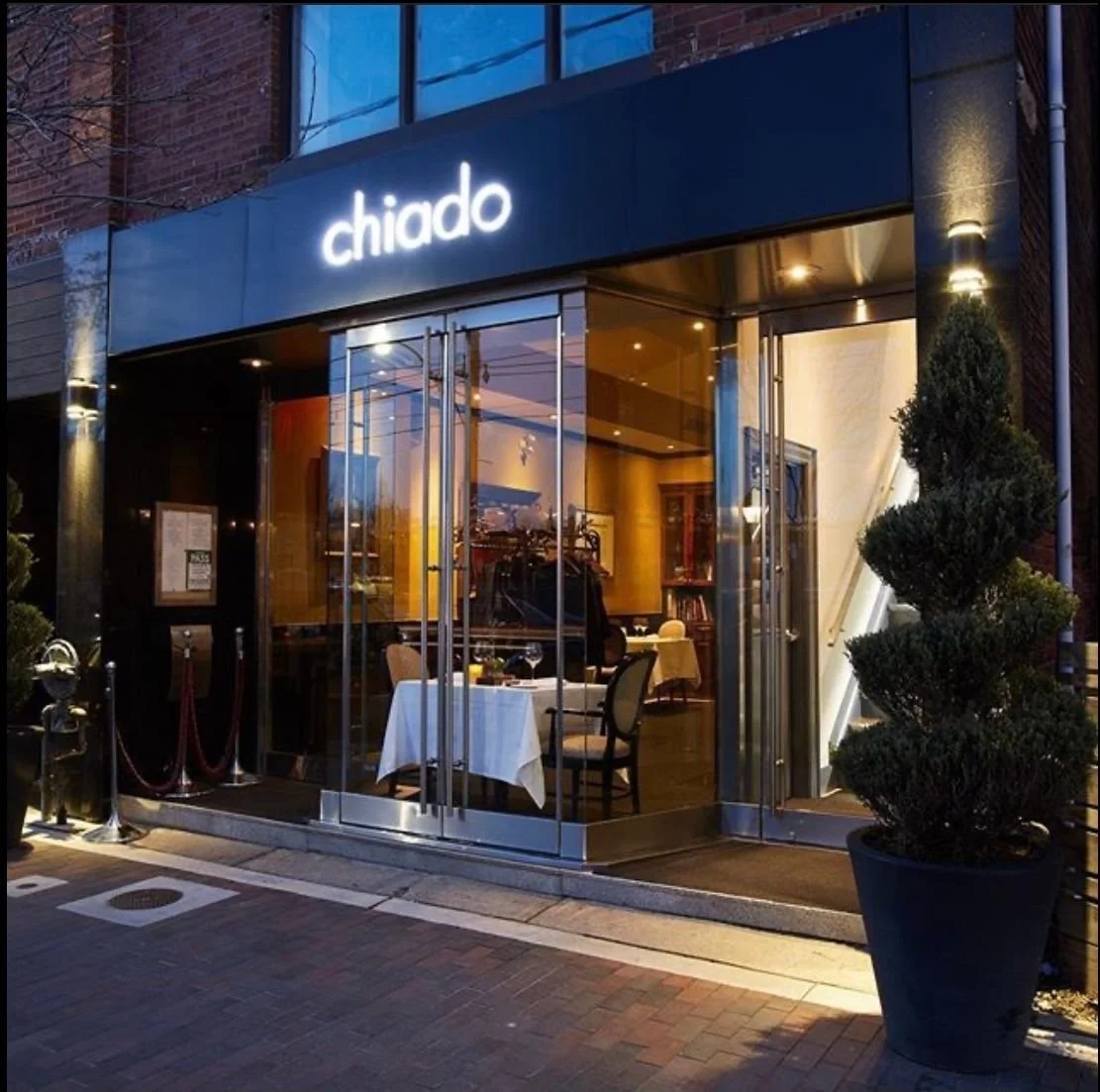
Chiado is the creation of Albino Silva, one of North America’s leading chefs and restaurateurs. The critically acclaimed Chiado Restaurant is a beautiful blend of old-world charm and timeless elegance. Silva’s “Progressive Portuguese” cuisine has been praised for its bold flavours and creative presentations that will indulge you in the ultimate dining experience.
Chiado -846 College Street
4. TASTE
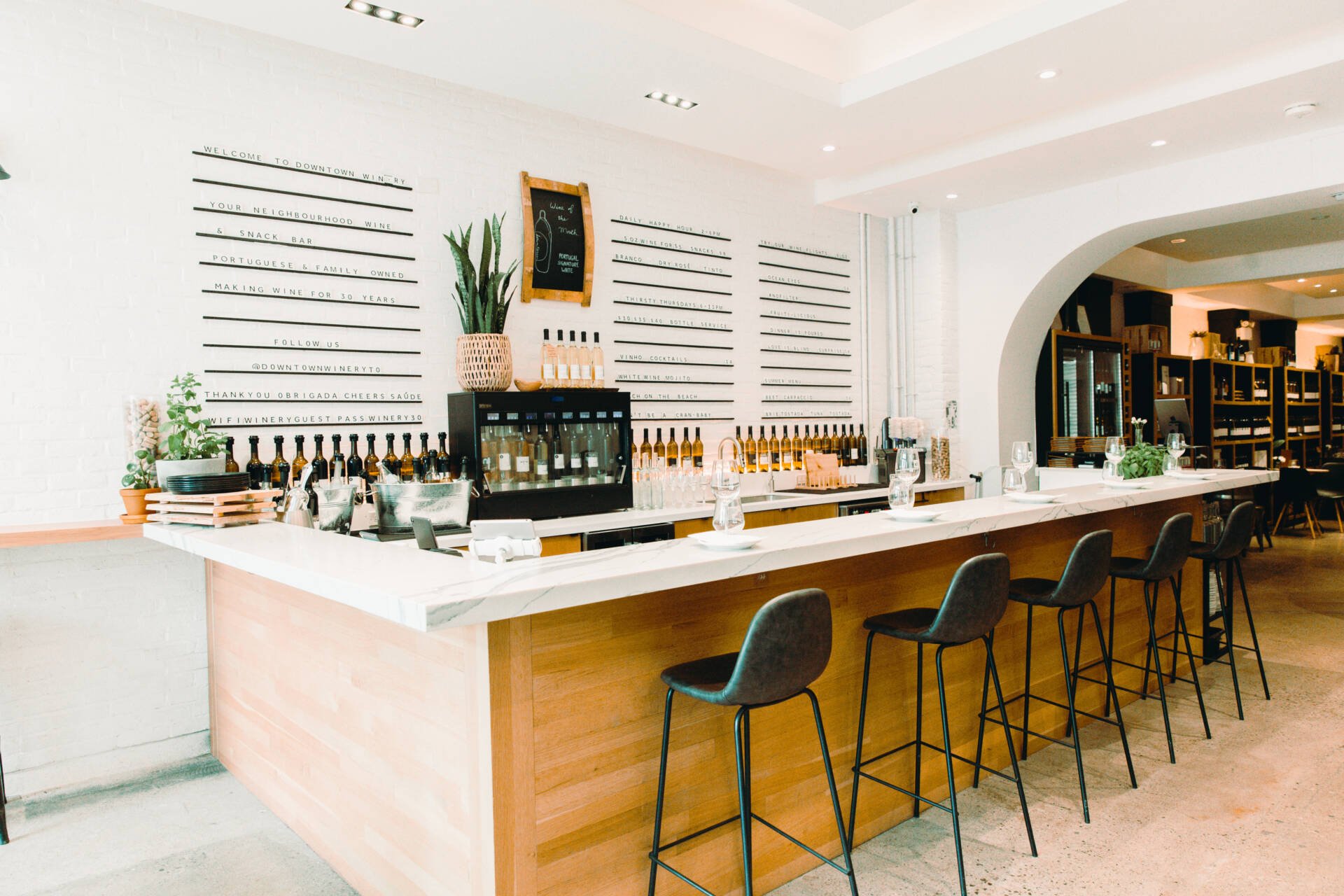
TORONTO’S URBAN WINERY
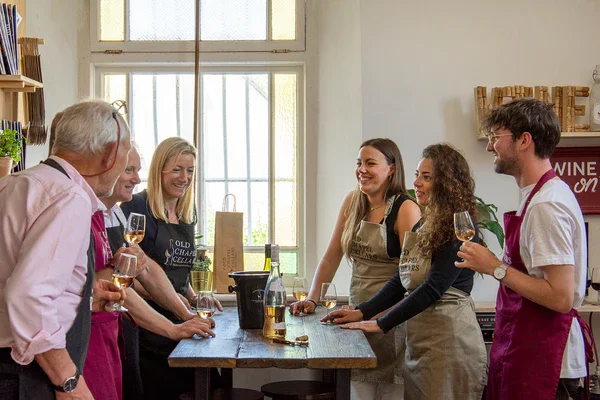
In the heart of downtown Toronto on the hip strip of Ossington you’ll find we are no ordinary winery. Offering a great selection of Portuguese wines. Enjoy their tasting bar, bottle shoppe, olive oil bar AND shopping great Portuguese canned foods.
DOWNTOWN WINERY
5. END ON A SWEET NOTE
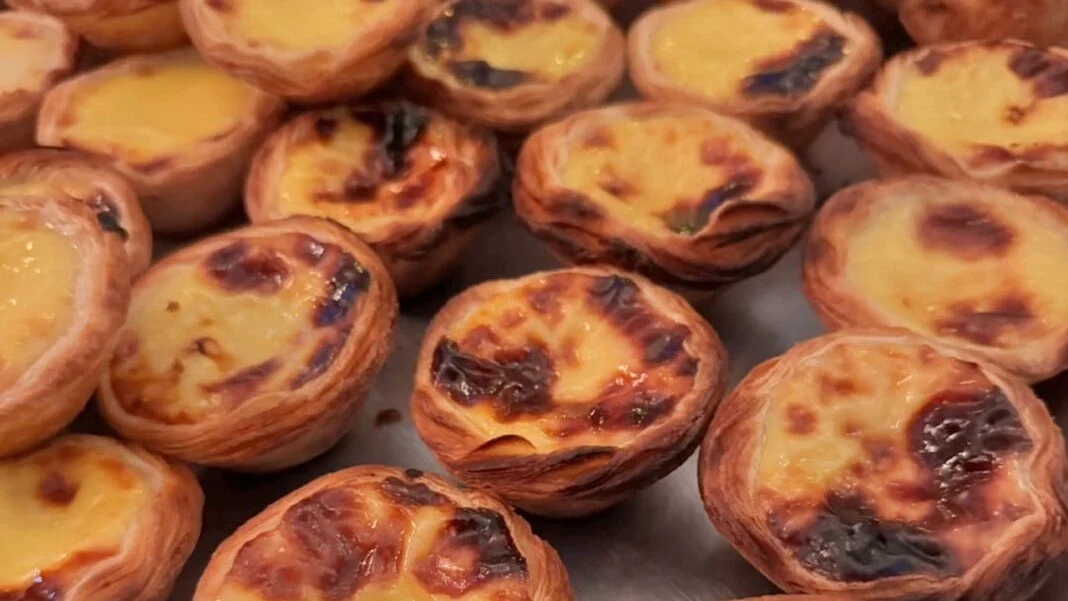
Voted the The Best Portuguese Custard Tarts in Toronto Serving traditional Portuguese baked goods since 1991, Nova Era Bakery first opened its doors in Toronto’s Little Portugal community with a unique vision of providing customers with an experience that recreates the authentic feeling of a European café.
NOVAERA- 1172 Dundas St. West